Shinjuku-ku as a Third Place: Where Daily Life Shapes What Tokyo Eats
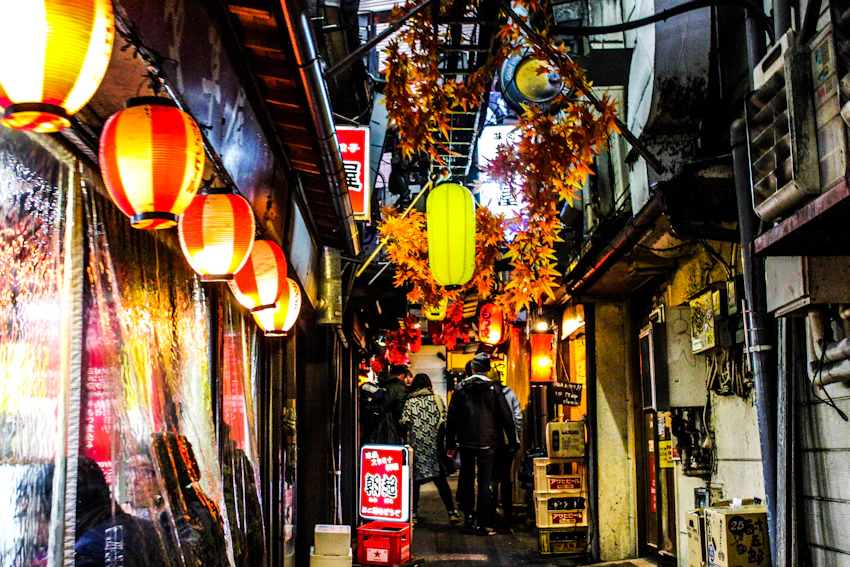
Shinjuku-ku holds two opposite food cultures within one ward — the hushed alleys of a former geisha district and the working multilingual food streets of a migrant neighborhood — read through TPJ's seven axes.
Shinjuku-ku holds two opposite food cultures inside a single administrative boundary: Kagurazaka's quiet, stone-paved alleys carrying the memory of a former geisha district, and Shin-Okubo's street-level multiculturalism, built by decades of immigrant communities feeding themselves. Neither Chuo-ku's centuries of merchant history nor Minato-ku's international polish quite describes what's happening here. Shinjuku-ku's restaurants run on something more immediate — daily life converting directly into food culture.
Why Shinjuku-ku's Food Scene Resists a Single Description
Shinjuku-ku is not a ward you can sum up in one sentence, and the reason lies in its geography.
Stretched east to west with JR Shinjuku Station at its center, the ward connects several distinct urban zones. To the west sit Nishi-Shinjuku's office towers; to the northwest, the multicultural neighborhoods of Okubo and Hyakunincho; to the east, the entertainment district of Kabukicho; to the northeast, the student quarter around Waseda University; to the southeast, the historic residential streets and former geisha quarter of Kagurazaka and Ushigome; and to the south, Yotsuya's mix of government offices, universities, and old family shops. Few Tokyo wards fit this many distinct neighborhood characters inside one administrative line.
That geographic range is what keeps Shinjuku-ku's food culture from resolving into a single identity. Chuo-ku, home to Ginza and the old Tsukiji fish market, runs on the depth of historical time. Shinjuku-ku runs on something else entirely: the ongoing, present-tense reality of who lives, works, and passes through it. And where Minato-ku's food scene ties closely to international finance, embassies, and luxury hospitality, Shinjuku-ku's grows directly out of the practical needs of the people who actually use the ward day to day.
How Restaurants Function as a Third Place in Shinjuku-ku
Ray Oldenburg's core conditions for a third place — neutral ground, equal footing among strangers, a base of regulars — show up in Shinjuku-ku in ways specific to this ward.
Neutral ground follows directly from the sheer scale of foot traffic passing through Japan's busiest train terminal. With population flow this large, restaurants here have less need to cater to one profession, industry, or social class than they might elsewhere. A small French bistro tucked into a Kagurazaka alley welcomes local residents and visitors on equal footing; a Korean restaurant in Shin-Okubo seats resident Koreans and Japanese travelers at the same counter. That openness is the foundation of neutrality in this ward's food scene.
A base of regulars takes two contrasting forms. Kagurazaka's alley restaurants build loyalty through discretion — a hideaway that only the people who already know about it tend to visit. Shin-Okubo builds loyalty through necessity — its resident immigrant communities treat certain restaurants as daily infrastructure, returning multiple times a week. Neither form of regularity is visible from outside, but both run deep.
Access benefits from the same terminal that defines the rest of the ward. Kagurazaka is five minutes from Iidabashi Station; Shin-Okubo sits one stop up the Yamanote Line; Yotsuya is a short ride away on the Marunouchi Line or JR Chuo Line. Every distinct food culture in the ward connects back to Shinjuku Station within minutes.
A Neighborhood Guide to Shinjuku-ku's Restaurants
Three areas with distinct characters — Kagurazaka, Shin-Okubo, and Takadanobaba — carry Shinjuku-ku's food culture between them, each filling a role the others don't.
Kagurazaka — Quiet Dining in a Former Geisha District's Alleys
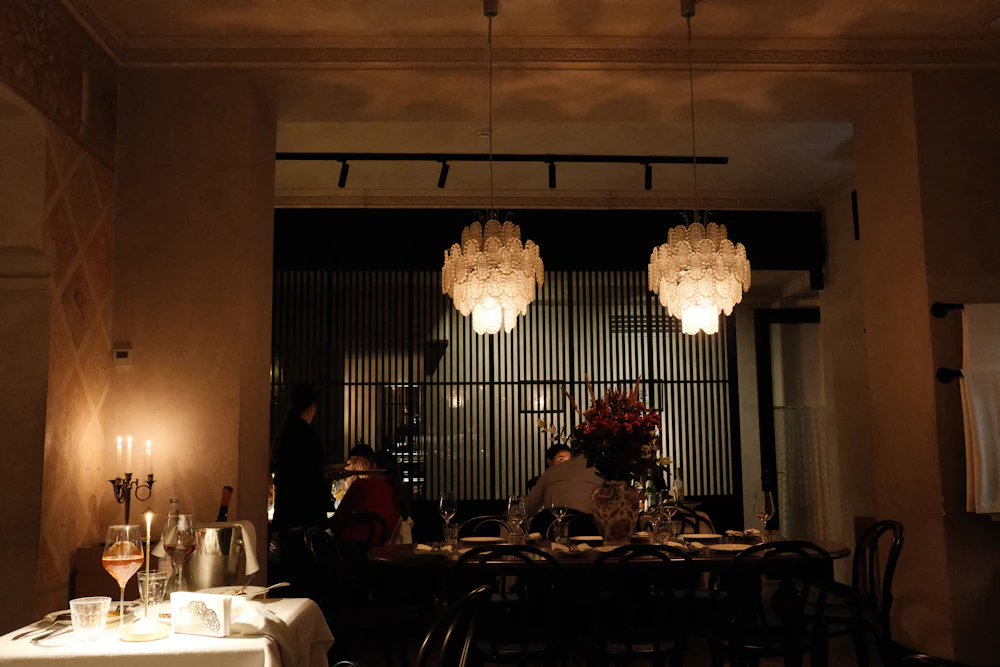
Kagurazaka is the area in Shinjuku-ku where a neighborhood's history most visibly comes before its food. Cobblestone lanes, black wooden fences, and narrow yokocho alleyways still trace the outline of an Edo-era geisha district, and French, Japanese, and Italian restaurants sit tucked into that same layout today, one story back from the main street. Eating here is inseparable from the setting itself — the drop in street noise the moment you turn down an alley gives the meal a quietness and a sense of occasion that has little to do with the food alone. Being hard to find keeps privacy intact and lets loyal customers form naturally over time.
A dedicated English-language guide to Kagurazaka's restaurant scene is planned for a future update. In the meantime, Kagurazaka as a Third Place (Japanese-language article) covers the neighborhood's alley restaurants in full.
Shin-Okubo — Specialized Multiculturalism as Daily Infrastructure
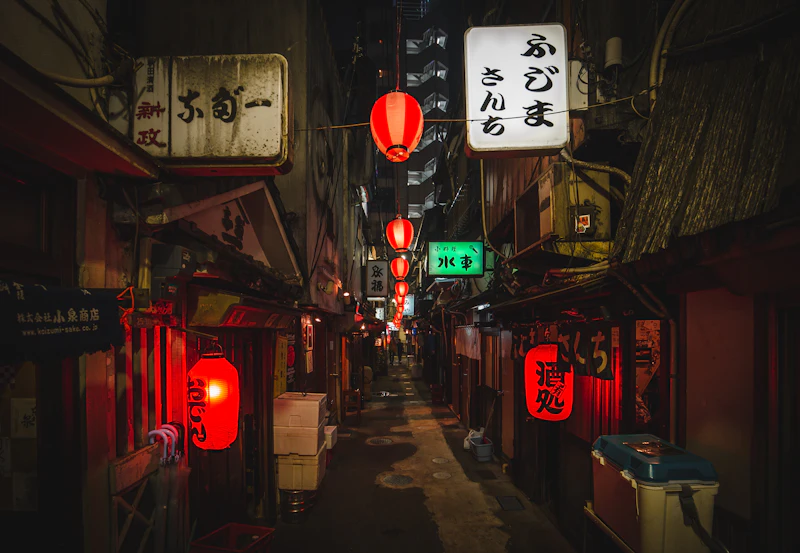
Shin-Okubo is the area where food connects most directly to daily survival. Korean, Nepali, Indian, and Chinese restaurants have clustered by street, each specializing deeply in its own cuisine, and the neighborhood functions for its resident immigrant communities as a place to recreate the food of home. This isn't multiculturalism staged for tourists — it's genuine culinary specialization built up over years by the people who actually live here. Walking street to street turns the whole neighborhood into a single, connected third place, an experience unlike anywhere else in the ward.
A dedicated English-language guide to Shin-Okubo's restaurant scene is planned for a future update. In the meantime, Shin-Okubo as a Third Place (Japanese-language article) covers the district's food streets in full.
Takadanobaba — Casual Food for a Student Town
Takadanobaba, home to Waseda University and several vocational schools, runs on affordability and a mix of Asian cuisines that extends the culinary range of nearby Shin-Okubo. Student demand and longtime local residents share the same casual food culture here, making this one of the most accessible, everyday food districts anywhere in the ward.
Reading Shinjuku-ku's Restaurants Through TPJ's Seven Axes
Comfort & Sensory Quality. Comfort in Shinjuku-ku's restaurants tends to come from context rather than décor. In Kagurazaka, the memory of the geisha quarter seeps into the room itself; in Shin-Okubo, the authenticity of the ingredients and atmosphere does the same work. In both cases, a restaurant's inherited context matters more than how polished it looks.
Quietness & Privacy. Kagurazaka's quiet comes from alleys that shield sound; Shin-Okubo's comes from the hush of a back street that only residents tend to use. These are close to opposite forms of quiet, and finding both within the same ward — ten to fifteen minutes from the noise around Shinjuku Station — is what makes this ward distinct.
Specialness & Non-daily Experience. In Kagurazaka, specialness comes from the one-time quality of an alley you may not find again; in Shin-Okubo, it comes from access to a level of culinary specialization that exists nowhere else nearby. Both differ from the kind of specialness built on price alone — what matters here is the specificity of purpose behind the visit.
Story & Empathy for Background. Two distinct histories run through Shinjuku-ku's food. Kagurazaka carries three layers — an Edo-period geisha quarter, a Meiji-era literary neighborhood, and an early wave of French cultural influence. Shin-Okubo carries a different kind of layering — a Korean community that began forming in the 1980s, the spread of Korean pop culture, and decades of continued multicultural growth. Eating in either place means eating inside that accumulated history.
Revisit & Continuity Value. People return to Kagurazaka out of attachment to a specific alley or a specific chef. People return to Shin-Okubo to try a different street or a seasonal dish they haven't had yet. Neither experience is complete after one visit — both reward coming back.
Record & Share Experience. Kagurazaka's alleys, cobblestones, and wooden fences are visually distinctive in a way that photographs well and travels. Shin-Okubo's colorful Korean desserts and dishes carry a different kind of shareability, tuned for social media. Together, these two forms of visual appeal carry Shinjuku-ku's food culture to two different audiences.
Inbound & Multilingual Compatibility. Kagurazaka has a meaningful concentration of French- and English-language service, which suits Western travelers well. Shin-Okubo runs on Korean, Chinese, and Nepali signage built for its resident communities, which happens to work just as well for Asian travelers. Having both forms of multilingual infrastructure inside one ward gives Shinjuku-ku flexibility that few other wards can match.
What to Look for in a Good Restaurant in Shinjuku-ku
Choosing well in Shinjuku-ku comes down to naming what you actually want, since the ward offers no single default experience.
For a quiet meal centered on atmosphere, an alley restaurant in Kagurazaka is the better fit. For an authentic taste of another culture's everyday food, Shin-Okubo's community-oriented restaurants deliver that more directly than anywhere else in the ward. For something casual and easy, Takadanobaba's mix of affordable multicultural spots covers that ground well.
Timing matters, too. Kagurazaka shows its character most clearly at dinner, after 6 p.m. Shin-Okubo carries a stronger resident atmosphere on weekday lunches, while weekend afternoons draw a heavier tourist crowd. Matching the time of day to the purpose of the visit changes the experience considerably.
The Neighborhood Context Behind Shinjuku-ku's Food Culture
Shinjuku-ku is one of the Tokyo wards with the highest share of foreign residents, and that population has shaped its food scene from the ground up rather than through any tourism strategy. Because it grew out of genuine daily need rather than trend-chasing, the food culture resident immigrant communities have built holds a durability that outside fashion doesn't easily disturb.
Kagurazaka's alley culture, by contrast, survives because the ward has actively preserved its historic streetscape — a rarer and rarer condition amid Tokyo's ongoing redevelopment. That two food cultures with entirely different foundations for their durability coexist inside one administrative boundary is, on its own, what makes Shinjuku-ku's restaurant scene distinctive.
For International Visitors
Shinjuku Station's direct connections make both core food districts easy to reach for travelers arriving from Narita or Haneda. Western travelers tend to find Kagurazaka's French-influenced menus and quiet alley setting approachable; travelers from other parts of Asia often find Shin-Okubo's multilingual signage and specialized cuisines more immediately useful. Both areas sit close enough to combine into a single day, and Third Place Japan weighs that inbound-facing range as one of this ward's clearest strengths.
Frequently Asked Questions
Q. Are there good restaurants in Shinjuku-ku for eating alone?
Yes. Kagurazaka's back alleys hold counter-seat restaurants built with solo diners in mind, and Shin-Okubo has plenty of casual spots that are just as easy to enter alone. Eating solo carries little stigma anywhere in the ward — it's built into the culture of both neighborhoods.
Q. How is Shinjuku-ku's food scene different from Chuo-ku or Minato-ku?
Chuo-ku's identity rests on the depth of its food history going back to the Edo period; Minato-ku's rests on international prestige and luxury branding. Shinjuku-ku runs on neither — its defining trait is a present-tense dynamic where the daily reality of the people living here shapes what gets served, rather than history or status.
Q. Should I choose Kagurazaka or Shin-Okubo?
Choose Kagurazaka for a quiet meal set inside a distinct sense of place; choose Shin-Okubo for authentic, specialized food from another culture and the experience of walking between food streets. Both sit within 20 minutes of Shinjuku Station, so combining the two in a single day is entirely realistic.
Q. Is Shinjuku-ku a good ward for inbound travelers who want to eat well?
Yes, in two different directions. Western travelers tend to respond well to Kagurazaka's French-language service and quiet alley atmosphere; travelers from other parts of Asia often find Shin-Okubo's multilingual signage and specialized regional cuisines more directly useful. Both areas are reachable within a single day's itinerary, which gives Shinjuku-ku a genuinely broad range for inbound dining. Third Place Japan factors this range into how it evaluates the ward's Inbound & Multilingual Compatibility axis.
Q. How do I get to Shinjuku-ku's restaurant districts?
Kagurazaka is a five-minute walk from Iidabashi Station on the JR and Tokyo Metro lines. Shin-Okubo is one minute from JR Shin-Okubo Station on the Yamanote Line. Takadanobaba is within walking distance of its own JR Yamanote, Seibu Shinjuku, and Tokyo Metro Tozai Line station. All three connect back to Shinjuku Station in a single ride, and moving between them by train or on foot is straightforward.
In Summary
Shinjuku-ku's value as a restaurant third place comes down to three things: the coexistence of two opposite food cultures — a geisha district's quiet alleys and a migrant neighborhood's multiculturalism — a food scene shaped by present-tense daily life rather than history or status, and a ward-wide neutrality that welcomes essentially anyone. Neither Chuo-ku's historical weight nor Minato-ku's international prestige describes it; what defines Shinjuku-ku instead is food culture built directly out of how people actually live here. Third Place Japan weighs revisit value, story, and inbound multilingual range especially heavily in evaluating this ward's restaurants.
Related reading: for the ward's nightlife, Shinjuku-ku as a Third Place: Where Tokyo's Nightlife Chaos Turns Quiet covers the same ward's bar scene, from Kabukicho's backstreets to Yotsuya's old-fashioned drinking alleys. For a wider look at how quiet functions as a third place elsewhere in Tokyo, see Meiji Jingu as a Third Place: Finding Silence in Central Tokyo.