Chuo-ku as a Third Place: The Merchant City That Built Japan's Bar Tradition
Chuo-ku's bars run on craftsmanship and continuity rather than trend or international scale — Ginza's veteran counters, Nihonbashi's finance-district gravity, and Ningyocho's downtown ease, read through TPJ's seven axes.
Chuo-ku's bars answer to a different clock than the rest of Tokyo. This is the ward where Edo-period currency traders and textile merchants first built a culture of meeting people in places that could be trusted, and that instinct never left. A bar that has run for thirty, fifty, or seventy years under the same craft, in the same seat, is not an exception here — it's closer to the norm. Across Ginza, Nihonbashi, Ningyocho, and Tsukiji, four very different neighborhoods share one throughline: respect for a skill practiced over time.
Why Chuo-ku's Bars Run on Continuity, Not Trend
Every Tokyo ward develops its own logic for what a night out means. Chuo-ku's comes directly from its history as a merchant city.
During the Edo period, Nihonbashi sat at the starting point of Japan's five major highways and functioned as the country's largest commercial district — a dense concentration of currency exchangers, rice brokers, and textile wholesalers whose entire business rested on trust built face to face. Where you drank, and with whom, was never separate from how you worked. After the Meiji era, Ginza's rise as a gathering point for politicians, business leaders, and cultural figures gave that same instinct a new stage, and the entertaining that grew up around it became the direct ancestor of the ward's bar culture.
Where Minato-ku's night runs on international finance and embassy culture, and Shinjuku-ku's runs on the sheer unpredictable churn of the world's busiest train station, Chuo-ku answers to neither logic. Its bars hold onto craftsmanship and the discipline of staying open, generation after generation, in a way that reads as something closer to the way a Japanese bar is meant to work — the discipline of it, not the spectacle.
How Bars Function as a Third Place in Chuo-ku
Sociologist Ray Oldenburg identified the atmosphere built by regulars, and the conversation that happens across a counter, as two of the defining conditions of a third place. Few settings satisfy both conditions as naturally as a Japanese bar counter, and Chuo-ku has practiced this longer than almost anywhere else in Tokyo.
A Chuo-ku bar rarely functions as just a place to drink — it reflects who's out, in this particular business district, on this particular night. Ginza's counters tend to draw people from politics and finance; Nihonbashi's, people connected to banking and old-line firms; Ningyocho's more casual rooms, craftspeople and neighborhood merchants. That range gives the ward's bars, taken together, a sense that the room holds exactly the kind of person who belongs in it.
"Somewhere to stop after work" carries more weight in Chuo-ku than the phrase usually implies. A conversation over a counter here has long doubled as the start of a working relationship — a merchant-city habit that never really disappeared.
Reading Chuo-ku's Bars Through TPJ's Seven Axes
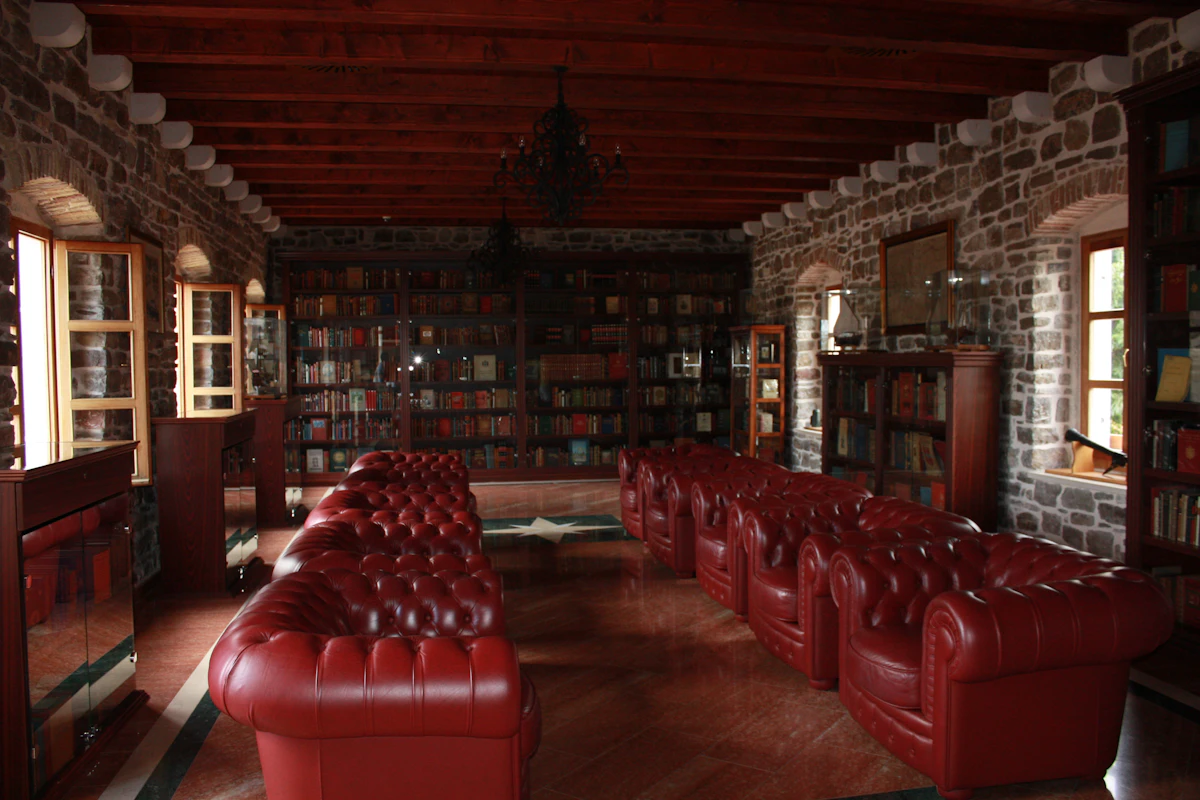
Comfort & Sensory Quality. What stands out in Chuo-ku's bars is how clearly the material choices carry a sense of time. The worn grain of a well-used counter, the structural weight of a back-bar lined with bottles, lighting set low and deliberate — none of this was designed on opening day. It was shaped by years of use. That's an aesthetic built on respect for keeping good things in service, not on constantly introducing something new, and it's the foundation of the comfort these rooms offer.
Quietness & Privacy. The quiet in a Chuo-ku bar doesn't come from soundproofing alone. It comes from a code of conduct — don't raise your voice, don't intrude on another guest's evening — that traces back to the restraint merchants once practiced in negotiation, where composure was itself a form of credibility. That inherited discipline still shapes the counter today, and it does double duty: keeping the room quiet, and keeping whatever's discussed there private.
Specialness & Non-daily Experience. A place name like Ginza or Nihonbashi adds its own weight to the experience of a drink. Being able to say "I had a drink at a long-established Ginza bar" isn't just a record of consumption — it carries the weight of the evening itself. For a business dinner or a personal milestone, the standing of the room becomes proof of the quality of the time spent there.
Story & Empathy for Background. A bar that has run continuously for thirty, fifty, or seventy years in this ward isn't simply a surviving business. It represents a bartender's craft and philosophy passed from one generation to the next, and regulars who have kept returning to the same counter across those same generations. That accumulation — skill and people, handed down together — is where Chuo-ku's bars earn their deepest marks on this axis.
Revisit & Continuity Value. The core of a bar's revisit value is the relationship that deepens with the bartender over time. A first visit is just "this one drink." Return enough, and it becomes "the bar where the bartender knows what I like." In Chuo-ku, that relationship not infrequently overlaps with a professional one — accumulated familiarity here tends to double as a working network, not simply a fond memory of good drinks.
Record & Share Experience. In Chuo-ku's long-established bars, quietly savoring a glass tends to be read as a mark of respect for the room, more than posting about the visit online. In a space built for business conversation and closely held relationships, choosing not to document what happens there is part of what keeps the room trustworthy. On this axis, these bars place their highest value on a kind of accumulation that stays invisible by design.
Inbound & Multilingual Compatibility. As Japanese whisky's international reputation has grown, so has the number of visitors who travel specifically to experience Japan's bar culture. Chuo-ku's bars, particularly in Ginza, increasingly staff bartenders comfortable working in English, and whisky itself functions as a shared vocabulary that lowers the language barrier. For visitors searching for what might be called the authentic version of a Japanese bar, Chuo-ku ranks among Tokyo's most reliable destinations.
How Do Chuo-ku's Bar Cultures Differ by Neighborhood?
Chuo-ku's bars produce entirely different kinds of evenings depending on which neighborhood you're in — a range of character rare to find coexisting inside a single ward anywhere in Tokyo.
Ginza carries the ward's purest expression of counter culture, built on a lineage of craft and decades of accumulated time. Drinking quietly, without spectacle, is practiced here in close to its most refined form.
A more detailed look at Ginza's bar scene is available in Third Place Japan's Japanese-language guide to Ginza — an English version is planned.
Nihonbashi (area guide planned) carries the weight of Edo-period finance and generations of established firms, producing bars organized around formality and trust. What might read as a high barrier to entry conceals real depth, built by regulars whose relationship with the room spans years.
Ningyocho (area guide planned) holds a different inheritance — Edo-era downtown culture and the aesthetic sensibility the Japanese call iki, a kind of understated, unpretentious sophistication distinct from Ginza and Nihonbashi's polish. Around the Amazake Yokocho lanes, small rooms built around sake and shochu, paired closely with food, are common.
Tsukiji and Tsukishima (area guide planned) draw on Tsukiji's identity as a historic source of Tokyo's seafood, producing a bar culture built around pairing a drink with what's on the plate. The combination of seafood, craftsman-made dishes, and drink gives this pocket of the ward its own distinct character.
What Should You Look for in a Good Bar in Chuo-ku?
Matching the right neighborhood to your purpose is the fastest way into Chuo-ku's bar scene.
Match the neighborhood to the occasion. Ginza suits a business evening that calls for polish; Nihonbashi rewards patience and a taste for old-world formality; Ningyocho suits an evening built around downtown ease; Tsukiji and Tsukishima suit anyone who wants the drink paired closely with the food.
Read the counter itself. The quality of a bar as a third place shows up most clearly in how the counter is built — the distance it sets for conversation with the bartender, the material underhand, how the back-bar bottles catch the light. A room built primarily around table seating functions as a different kind of space entirely.
Weigh the continuity, not just the age. How many years a bar has run matters less than why. What counts is whether that continuity reflects a deliberate commitment to the craft and a genuine transfer of skill from one bartender to the next, not simply an opening date on a plaque.
Choose your night carefully. Weeknights tend to bring more business entertaining; weekends bring a higher share of solo drinkers and regulars. For a first visit, an early weeknight hour — when the room has more breathing room — tends to leave space for an actual conversation with the person behind the counter.
Chuo-ku's Place in Tokyo's Bar Landscape
Seen from above, Chuo-ku occupies a genuinely distinct position on the map of Tokyo's bar culture. Shibuya-ku runs a fast-turning market of trend- and subculture-driven bars; Minato-ku layers international nightlife over members-only luxury rooms. Where those wards build around the trends and international reach of the moment, Chuo-ku occupies its own ground: depth that comes from craft passed down and businesses that simply kept going. Ask which part of Tokyo holds the oldest continuous thread of bar culture, and Chuo-ku is impossible to leave out of the answer.
What Chuo-ku's Bars Offer International Visitors
More visitors now travel specifically to experience the culture of the Japanese bar counter, and many arrive in Chuo-ku, especially Ginza, already thinking of it as that culture's historic center. Third Place Japan evaluates whether a visitor can actually settle in and use a bar comfortably — multilingual support, menu clarity, the level of service a bartender provides — rather than taking English signage at face value.
Frequently Asked Questions
Q. Which area should I choose for a bar in Chuo-ku that works as a third place?
It depends on the occasion. Ginza suits business settings that call for polish, Nihonbashi rewards an appreciation for old-line formality, Ningyocho suits a downtown, unpretentious evening, and Tsukiji-Tsukishima suits pairing drink with food. Third Place Japan evaluates each area across seven axes to match the character of a place with what a visitor is actually looking for.
Q. How are Chuo-ku's bars different from Roppongi or Shibuya's?
Roppongi's core is international nightlife where multiple nationalities cross at the same counter; Shibuya's is a fast-changing market built on trend and cultural churn. Chuo-ku's core is depth built from respect for craft and businesses that simply kept going. Which one to choose depends on what you want from a third place.
Q. What defines a long-established bar in Chuo-ku?
In bars that have run thirty or fifty years and more, a bartender's skill and philosophy tend to pass down across generations. The grain of a well-used counter and a back-bar built up over years of use mark a density that only comes from sustained time in service.
Q. Are Chuo-ku's bars easy for international visitors to use?
Ginza's bars tend to have comparatively strong multilingual support, and Japanese whisky itself functions as a shared vocabulary that lowers the language barrier. International whisky enthusiasts increasingly recognize Ginza as a place to experience an authentic version of Japanese bar culture.
Q. What's the first step toward becoming a regular at a bar in Chuo-ku?
Being honest with the bartender about your taste and what you want that evening is the natural starting point — something as simple as "not too sweet." In Chuo-ku, a professional connection and a bar connection not infrequently grow together, and regular status tends to develop alongside a wider human network.
In Summary
Chuo-ku's bar culture stands on a foundation the Edo-period merchant city built and never abandoned: respect for craft, and respect for staying open. The diversity packed into a single ward — Ginza's artisan lineage, Nihonbashi's formality, Ningyocho's downtown ease, Tsukiji's food-paired drinking — is rare anywhere in Tokyo's 23 wards. Not trend, not international scale, but the depth of time itself is the reason to choose a Chuo-ku bar as a third place. Third Place Japan evaluates spaces like these across seven axes, and continues documenting each of Chuo-ku's neighborhoods as a distinct third place in its own right.
Related reading: Chuo-ku as a Third Place: Three Layers of Time on One Table covers the same ward's dining culture, built on the same merchant-city continuity, and Chuo-ku as a Third Place: Belonging Built on a Merchant City's Trust covers the closed-door version of the same trust. For a contrasting take on nightlife built around international capital, see Minato-ku as a Third Place: How Embassies and International Finance Built Five Distinct Bar Cultures.