Minato-ku as a Third Place: How Embassies and International Finance Built Five Distinct Bar Cultures
Minato-ku's bars run on international capital rather than a single drinking tradition — Roppongi's multinational counters, Akasaka's political hospitality, and three other registers, read through TPJ's seven axes.
Minato-ku packs five distinct versions of Tokyo's night into a single ward, and every one of them traces back to the same source: the ward hosts more foreign embassies, multinational finance offices, and international arts institutions than any other part of the city. A bar counter in Roppongi where three languages cross in one order, a family-run bar in Azabujuban where the owner has known a customer's drink for a decade, an old-guard room in Akasaka built for political conversation — Minato-ku's bars aren't one culture wearing five faces. They're five separate answers to the same international condition.
Why Minato-ku's Bars Don't Run on One Logic
Most Tokyo wards develop a drinking culture around a single defining feature — a station, a historical trade, a subculture. Minato-ku developed five, side by side, inside one administrative boundary.
Foreign embassies cluster in Moto-Azabu, Minami-Azabu, and Azabudai. International finance and consulting firms concentrate around Roppongi Itchome and Toranomon. National politics sits at Akasaka and Nagatacho. International art institutions line Roppongi itself. No other Tokyo ward holds this particular combination of diplomatic, financial, and political density inside one boundary, and it shows up directly in how the ward drinks at night: a weekday-midnight bar counter in Minato-ku is more likely than anywhere else in the city to seat several nationalities at once, out of simple demographic necessity rather than any deliberate international branding.
A bar, at its root, is neutral evening ground — a space that tolerates a stay with no fixed purpose, neither workplace nor home, comfortable enough for a stranger to sit beside a stranger. That's sociologist Ray Oldenburg's third place condition, compressed into after-dark hours. In Minato-ku, this function plays out differently across five areas, shaped by whichever version of "international" that particular pocket of the ward runs on. Where Shinjuku-ku's bars answer to the unpredictable churn of the world's busiest train station, Minato-ku's answer to something steadier: capital, diplomacy, and decades of foreign residency.
A Map of Minato-ku's Bar Cultures
Roppongi — A Multinational Meeting Ground
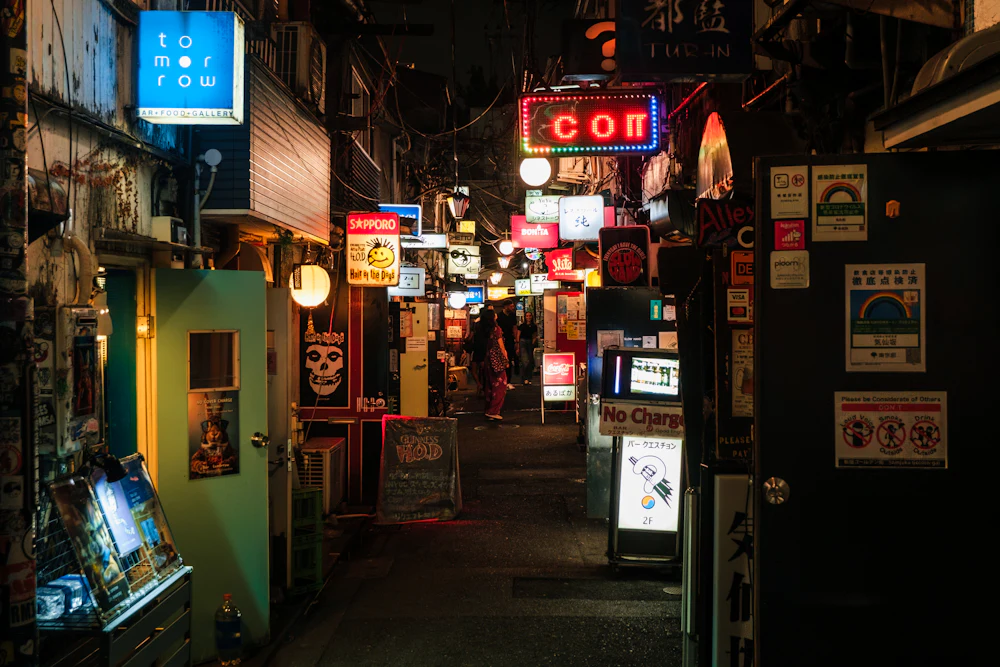
Roppongi holds the highest density of nationalities at a single bar counter anywhere in the ward. Embassy staff, international finance workers, and visitors to the neighborhood's art museums overlap here, and whiskey and cocktails function as a shared vocabulary that needs no translation. The area runs on two registers at once: a "front" of large venues built around foot traffic, and a "back" of alley-level rooms where industry regulars and long-term residents go to avoid exactly that foot traffic.
A more detailed look at Roppongi's bar scene is available in Third Place Japan's Japanese-language guide to Roppongi — an English version is planned.
Azabujuban — A Neighborhood's Quiet Regular
Azabujuban runs on the opposite instinct: staying small and staying known. A shopping street with more than four centuries of commercial history anchors the area, and that continuity carries into its bars, where wealthy locals, embassy-adjacent residents, and professionals return on a weekly rhythm rather than a special occasion. Walking distance from Roppongi, yet largely bypassed by its foot traffic, Azabujuban keeps a version of Minato-ku night life built for people who already live nearby.
Akasaka — Authority and Hospitality
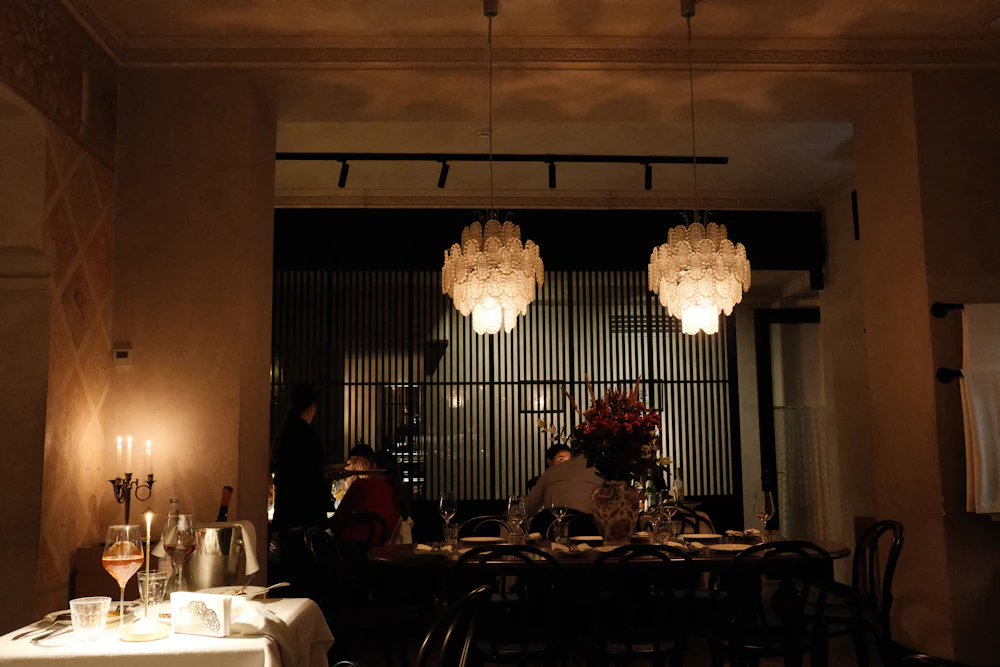
Akasaka's bars carry the weight of political proximity. Sitting near Nagatacho and Kasumigaseki, the area built a long tradition of politicians, bureaucrats, and media figures using bars for the kind of conversation that doesn't happen in an office. Long-established rooms still operate on relationships measured in years, not visits, and being a known face at a particular Akasaka bar carries a different kind of social currency than it does anywhere else in the ward.
Toranomon and Shinbashi — After-Work Tokyo
Toranomon and Shinbashi form the ward's most functional drinking geography, built around the daily rhythm of office work rather than any single tradition. Toranomon's business population has grown sharply with recent redevelopment, adding density to its after-hours demand; Shinbashi has served salaryman culture for generations, largely regardless of industry. This is the most immediately approachable corner of Minato-ku's bar scene — low barrier to entry, easy for a first-time solo visit.
Shirokanedai and Hiroo — Quiet Money, Quiet Bars
Shirokanedai and Hiroo hold the ward's most residential register of night life. Dense with upscale housing, these neighborhoods support bars built to be walked to rather than traveled for, favoring restraint and material quality over spectacle. Hiroo's unusually high concentration of foreign residents keeps English a working language in several of its rooms, less as a service gesture than as ordinary daily practice.
Which Part of Minato-ku Should You Actually Drink In?
The right area in Minato-ku depends less on the drink and more on what kind of evening you want.
For unplanned international encounter, Roppongi's back alleys are the only part of the ward built for it — a weeknight counter where the person next to you is unlikely to share your first language.
For a quiet, ongoing relationship with a bar, Azabujuban and Shirokanedai-Hiroo reward patience. Tourist traffic stays low, which is exactly what lets regular status form within a handful of visits.
For political or industry context, Akasaka is the only reasonable choice in the ward. Its bars carry a social meaning that has nothing to do with the drink itself.
For an easy, low-commitment night after work, Toranomon and Shinbashi are the most forgiving entry point — no dress code anxiety, no reservation, no particular budget assumed.
Reading Minato-ku's Bars Through TPJ's Seven Axes
Comfort & Sensory Quality. Roppongi, Akasaka, Azabujuban, and Shirokanedai concentrate the ward's highest investment in material and craft — back-bar design, lighting, glassware chosen with care. Toranomon and Shinbashi run to a more standard commercial spec, though recent redevelopment is raising that baseline.
Quietness & Privacy. Azabujuban, Shirokanedai, Hiroo, and Akasaka's alley-level rooms hold the ward's deepest quiet. Roppongi varies sharply by venue — a large-format bar and a ten-seat room a block away can sit at opposite ends of the same scale. The pattern holds everywhere in the ward: the further a room sits from the main street, the quieter it gets.
Specialness & Non-daily Experience. Roppongi and Akasaka score highest, but for different reasons. Roppongi's specialness comes from the density of the moment itself — who happens to be at the counter that night. Akasaka's comes from context — the knowledge of who else has sat in that seat.
Story & Empathy for Background. An Akasaka bar with a lineage running through decades of political history; a Roppongi counter where a bartender explains Japanese whiskey to a newly arrived expatriate — Minato-ku's bars carry distinct threads of story depending on which part of the ward you're in. Third Place Japan weighs this narrative depth as a core signal of a venue's authenticity.
Revisit & Continuity Value. Azabujuban, Shirokanedai, Hiroo, and Akasaka rank highest, sustained by dense local regular bases. Roppongi's alley-level bars hold strong regular cultures too, though the area's steady flow of visitors and newly arrived residents can slow how quickly that familiarity builds.
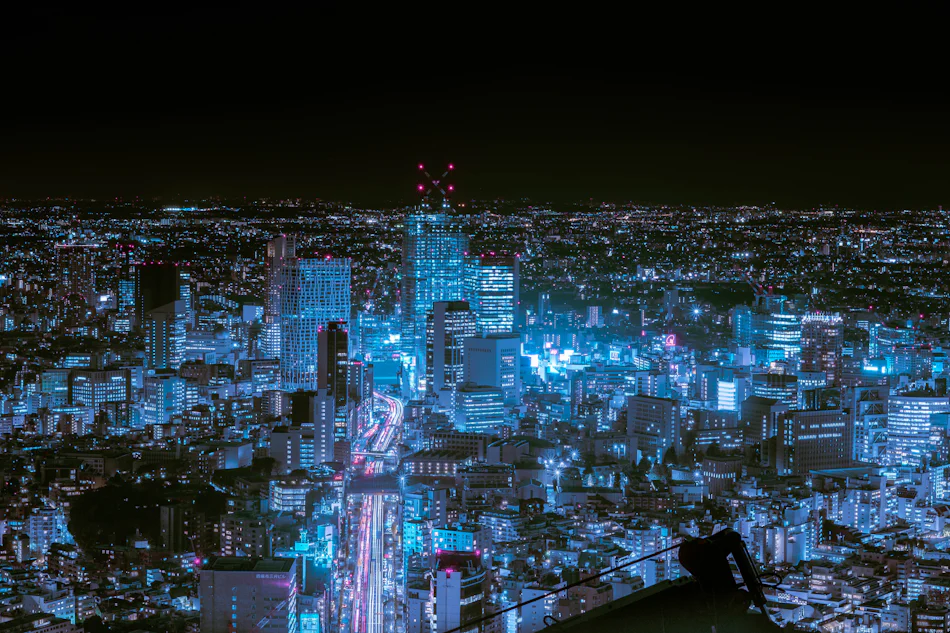
Record & Share Experience. Roppongi leads by a wide margin — night skyline views, international crowds, and design-forward interiors all supply ready subject matter. Azabujuban, Shirokanedai, and Akasaka's alley rooms tend to favor depth of experience over documentation.
Inbound & Multilingual Compatibility. Roppongi is the most developed corner of the ward for this axis: resident English-speaking staff, multilingual menus, and whiskey and cocktails functioning as an international shared language. Hiroo follows closely, its multilingual ease shaped by daily life rather than hospitality training.
The Neighborhood Context: Seasons and Surroundings
Minato-ku's calendar adds its own texture to the bar scene. Roppongi Art Night, an annual overnight art event held across the neighborhood, briefly turns the area's usual late-night rhythm into something closer to a citywide festival, drawing a different crowd through its bars than an ordinary weeknight would. Azabujuban's summer street festival — one of the city's longest-running local celebrations — fills the shopping street for two days each August and spills directly into the neighborhood's bars afterward. Tokyo Tower, visible from several vantage points across Roppongi, Azabudai, and Shirokanedai, gives a handful of rooms in the ward a view unavailable to bars almost anywhere else in the city.
For International Visitors
Minato-ku is the most naturally accessible ward in Tokyo for a visitor who wants a bar to function as a genuine evening base rather than a one-time stop. Roppongi is the obvious entry point — English-speaking staff, multilingual menus, and a customer base that is international by default rather than by accommodation.
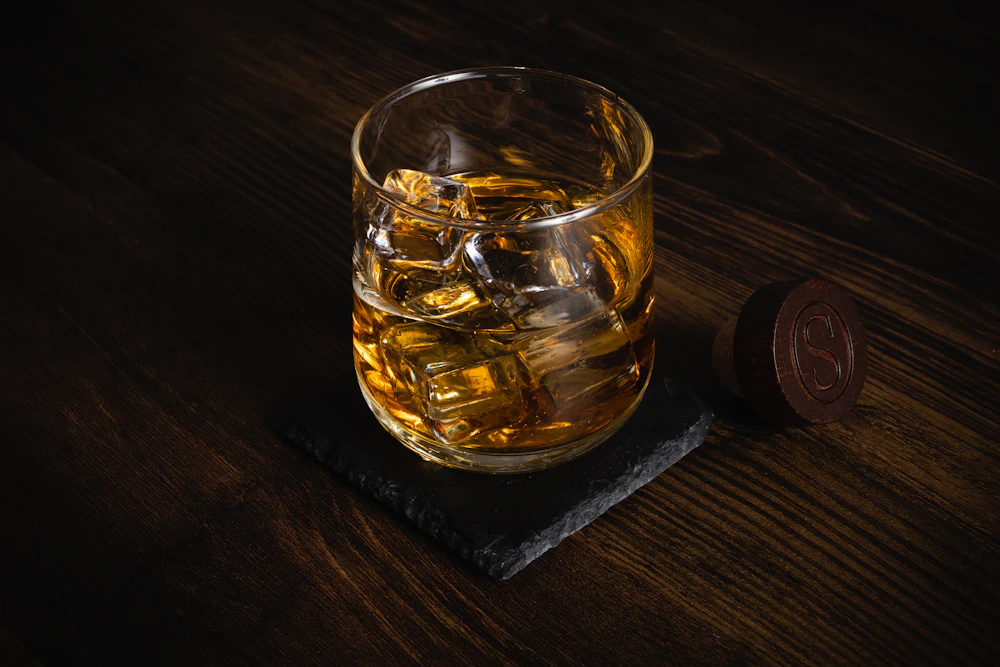
That accessibility isn't limited to Roppongi. In Azabujuban and Shirokanedai, foreign residents and visitors mix into the same rooms as neighborhood regulars, and a visitor gets treated as a customer rather than a novelty. For someone interested in Japanese whiskey specifically, a bartender who can explain production and regional character in English is a meaningfully deeper introduction than a distillery brochure — and Minato-ku has a higher concentration of bars able to offer that than any other part of Tokyo.
Third Place Japan's evaluation of inbound compatibility looks past surface-level English signage toward a more functional question: can a visitor actually use this bar as a place to return to. A single visit during a trip is one thing; a multi-day stay that includes two or three returns to the same counter is where Minato-ku's bar scene shows its real depth.
Frequently Asked Questions
Q. Where should I start if I want a bar in Minato-ku that works as a third place?
Start by deciding what kind of evening you want, not which neighborhood sounds appealing. International encounter points toward Roppongi's back alleys; a quiet ongoing relationship points toward Azabujuban or Shirokanedai-Hiroo; political or industry context points toward Akasaka; an easy after-work drink points toward Toranomon or Shinbashi. Within any of those areas, a room set one block off the main street, up a narrow staircase, or holding ten seats or fewer, tends to function best as an actual third place rather than a passing stop.
Q. Are Minato-ku's bars easy for international visitors to use?
Roppongi is the most accessible corner of the ward for this, with resident English-speaking staff, multilingual menus, and whiskey and cocktails serving as a shared international vocabulary. Azabujuban and Hiroo offer a subtler version of the same ease, shaped by a genuinely international resident population rather than formal hospitality training.
Q. What's the difference between Roppongi and Akasaka's bars?
Roppongi suits multinational encounter, spontaneity, and an introduction to Japanese whiskey culture. Akasaka suits political and industry context, formal hospitality, and long-running relationships between owner and guest. They sit a few minutes apart by taxi, but the social logic each runs on is close to opposite.
Q. Can I find a bar in Minato-ku to become a regular at during a short stay?
Yes, though it takes a deliberate approach. Choose a room with ten to fifteen seats, and return at the same time of night two or three times. Bartenders in this ward tend to recognize a repeat face quickly, and Azabujuban, Shirokanedai, and Akasaka's alley-level rooms are the areas where that familiarity builds fastest.
Q. Is Minato-ku a good place to try Japanese whiskey?
It's one of the strongest options in Tokyo for it. Roppongi in particular holds a concentration of bars specializing in Japanese and international whiskey, several staffed by bartenders able to walk an English-speaking guest through production and regional character. Azabujuban and Shirokanedai also hold smaller rooms with serious whiskey programs, better suited to a quieter, slower session.
In Summary
Minato-ku's bar scene resists a single description because it was never built around one thing — it grew out of five separate international conditions sitting inside the same ward boundary: Roppongi's multinational density, Azabujuban's local continuity, Akasaka's political proximity, Toranomon and Shinbashi's office rhythm, and Shirokanedai-Hiroo's residential quiet. Third Place Japan evaluates spaces like these across seven axes, and continues documenting each of Minato-ku's neighborhoods as a distinct third place in its own right.
Related reading: Minato-ku as a Third Place: Six Neighborhoods, Six Different Meanings of a Meal covers the same ward's other defining layer — how food, rather than drink, splits into distinct purposes by neighborhood. For a contrasting take on nightlife built around chaos rather than international capital, see Shinjuku-ku as a Third Place: Where Tokyo's Nightlife Chaos Turns Quiet.