Koto-ku as a Third Place: A Canal Divides Old Warehouses From New Waterfront Leisure
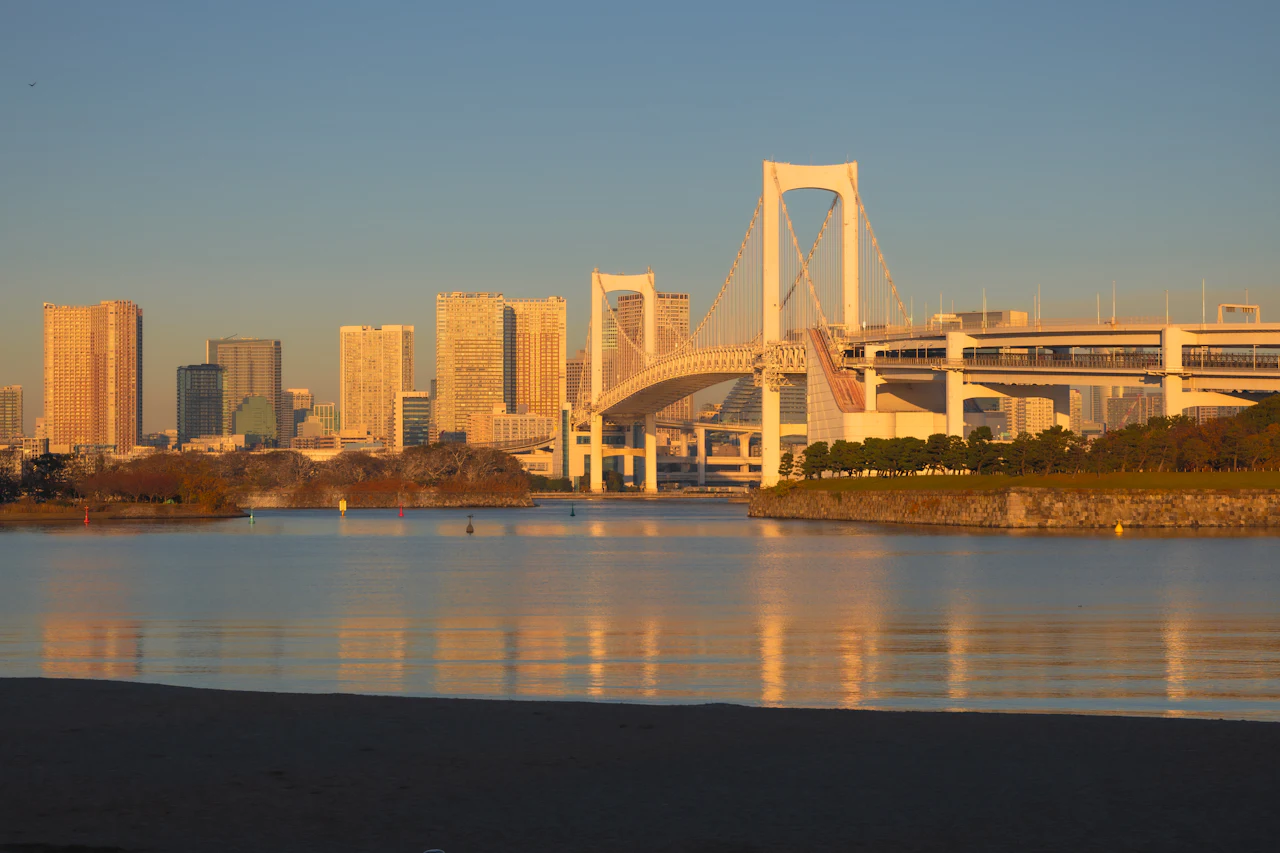
Koto-ku splits along a canal: Kiyosumi-Shirakawa's converted warehouses hold a quiet, independent culture, while Toyosu and Odaiba's reclaimed land opens onto large-scale waterfront leisure.
Koto-ku holds two different eras of Tokyo inside one ward, split by a canal. Kiyosumi-Shirakawa's timber-district warehouses now hold a quiet, independent culture of roasters and small galleries; Toyosu and Odaiba, built from scratch on reclaimed land, hold large-scale waterfront leisure with room to spare. Neither reads like the other, and that gap is the ward's defining feature.
Why Koto-ku Runs on the Coexistence of Old and New
A cultural facility usually asks something specific of a visitor: look at this, then leave. Koto-ku's version of that question splits in two, depending on which side of the canal you're standing on.
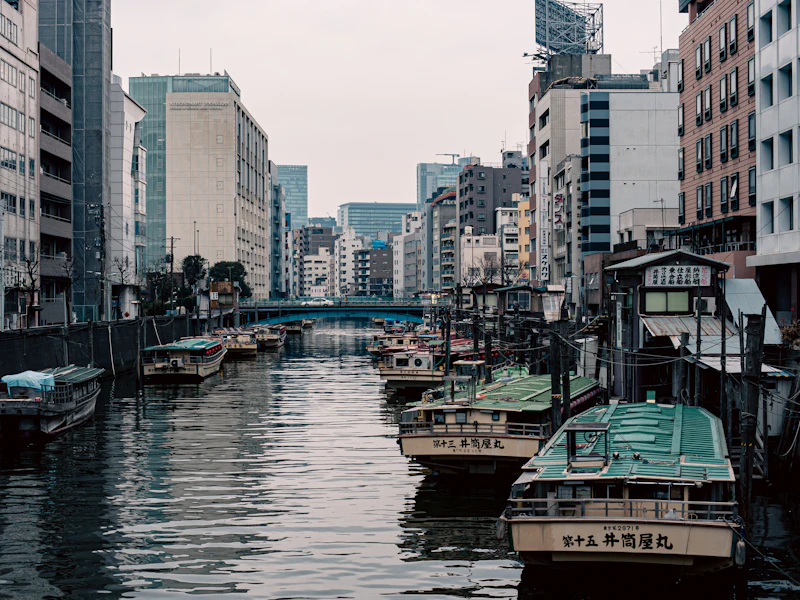
Koto-ku carries a higher share of water and reclaimed land than almost any other ward in Tokyo. In the Edo period, timber wholesalers stored their lumber floating on the water at Kiba, and those waterways still shape the ward's layout today. Landfill work through the postwar and Heisei periods pushed the shoreline outward, and Toyosu and Odaiba rose on ground that used to be open sea. A warehouse district holding the memory of Edo-era water transport and an artificial landform built from nothing since the late twentieth century now sit inside the same administrative boundary — and that gap in age is what the ward's culture and leisure scene runs on.
Kiyosumi-Shirakawa sits next to Kiba, in the wooden and brick warehouses timber wholesalers once used. Roasters, studios, and small galleries have moved into those buildings, and a public contemporary art museum gives the district its cultural throughline. Toyosu and Odaiba, by contrast, started from open, undeveloped land, so their blocks run large — big commercial and entertainment complexes fill the space narrow lanes would occupy elsewhere. Koto-ku proves, inside a single ward, that the age of the ground changes the shape of what grows on it.
In Third Place Japan's seven-axis evaluation, Koto-ku's culture and leisure facilities score highest on Comfort & Sensory Quality and Record & Share Experience. Ueno's non-daily quality comes from standing face-to-face with an authentic cultural treasure, and Shibuya-ku's comes from becoming part of the action yourself — Koto-ku's comes from the sheer width of view that open water makes possible.
A Cultural Map of Koto-ku: Four Zones
Kiyosumi-Shirakawa — A Quiet, Independent Culture Inside Rebuilt Warehouses
Kiyosumi-Shirakawa's cultural experience centers on sitting quietly inside a converted warehouse. The high ceilings of these old timber buildings keep outside noise at bay, leaving room for the sound of a coffee extraction or a page turning. Seeing a special exhibition at the district's public contemporary art museum, then settling into a converted warehouse nearby to sit with what you just saw, is enough to fill a day. A strolling garden laid out in the Edo period sits within walking distance too, so the district's waterside greenery and its warehouse art scene stay in easy reach of each other.
Toyosu and Odaiba — Large-Scale Waterfront Leisure Built on Reclaimed Ground
Toyosu and Odaiba's culture and leisure scene runs on scale and view. Because the land was reclaimed, buildings sit further apart than they would anywhere with an older street grid, and a bayside promenade or an observation floor opens onto a full sweep of the opposite shore's high-rises and open water. A large market district built around fresh food and tourism, the sculptural line of a bridge crossing the bay, lights reflecting off the water at night — none of this could exist on Kiyosumi-Shirakawa's narrow lanes. It's a scale specific to reclaimed ground.
Kiba — A Waterside Park Holding the Memory of the Timber Yards
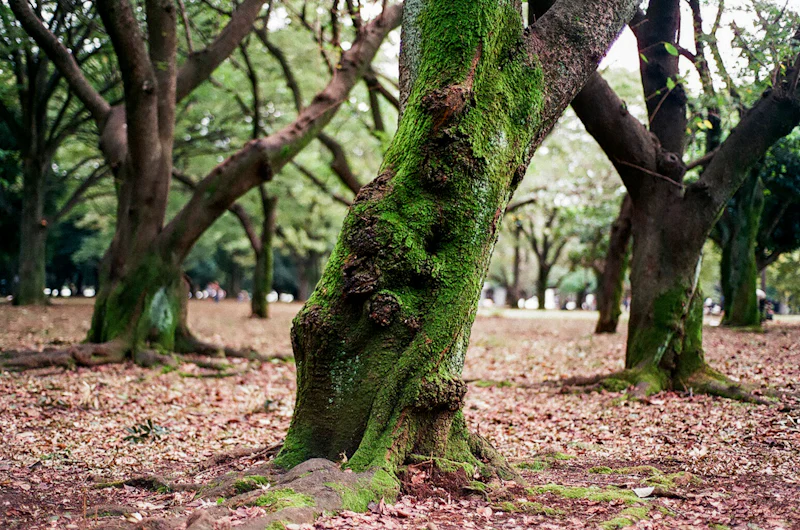
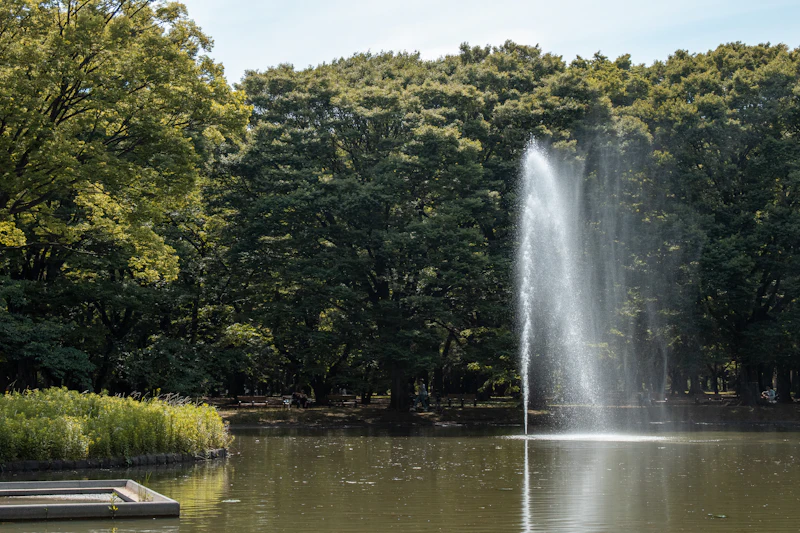
Kiba Park carries forward the memory of the timber yards that once floated lumber on the water here. Its broad lawns and waterways function as a buffer zone, connecting Kiyosumi-Shirakawa's quieter cultural district to Toyosu's large-scale leisure zone. A public gymnasium and sports facilities sit inside the park too, so a single visit can move between contemplation and exercise without leaving.
Monzen-Nakacho — Where a Shrine Approach and an Old Shopping Street Still Run on Daily Life
Monzen-Nakacho centers on the approach to a shrine known as the guardian shrine of the Fukagawa district, with an old shopping street that still operates as a working part of daily life. Unlike the more tourist-oriented Kiyosumi-Shirakawa or Toyosu, the routines of actual residents form the district's cultural texture here.
Kiyosumi-Shirakawa or Toyosu and Odaiba: How Different Is Koto-ku's Culture Scene?
Within the same ward, Kiyosumi-Shirakawa and Toyosu-Odaiba ask for entirely different kinds of visits. Kiyosumi-Shirakawa suits staying put alone in a small space for a while; Toyosu and Odaiba suit moving through open space with company. Of Oldenburg's conditions for a third place, Kiyosumi-Shirakawa meets neutral ground through a warehouse's quiet, while Toyosu and Odaiba meet accessibility and a playful mood through open blocks and a wide view. Having both extremes inside one ward is what sets Koto-ku apart from the rest of Tokyo.
Reading Koto-ku's Culture and Leisure Through TPJ's Seven Axes
Comfort & Sensory Quality. Kiyosumi-Shirakawa's comfort comes from the texture of an old warehouse's high ceiling; Toyosu and Odaiba's comes from an open view across the bay. Two very different ingredients feeding the same axis.
Quietness & Privacy. Kiyosumi-Shirakawa's warehouse district tends to hold its quiet best on weekday mornings. Toyosu and Odaiba tend to draw larger crowds on weekends and into the evening.
Specialness & Non-daily Experience. Kiyosumi-Shirakawa's non-daily quality comes from the surprise of a warehouse built for commerce turning into a cultural space; Toyosu and Odaiba's comes from the sheer scale of open land turning into a leisure district. Both trace back to how the ward's ground came to be.
Story & Empathy for Background. The timber yards at Kiba, the wholesalers of Kiyosumi-Shirakawa, the water transport of old Fukagawa — Koto-ku's culture and leisure scene rests on an Edo-era history built on water and lumber.
Revisit & Continuity Value. Kiyosumi-Shirakawa changes face with each new exhibition or roast; Toyosu and Odaiba change with the season and how the night skyline happens to look.
Record & Share Experience. The sculptural line of a bridge over the bay, lights on the water at night, the grain of warehouse timber — Koto-ku offers genuinely distinct backdrops across both its old and new sides, and reclaimed land's open sightlines are particularly easy to frame.
Inbound & Multilingual Compatibility. Toyosu and Odaiba's major facilities offer strong multilingual support, and public transit signage there leans international. Kiyosumi-Shirakawa is mostly independent shops, so support varies, but the warehouse district's visual character works regardless of language.
What to Look for in a Good Culture or Leisure Spot in Koto-ku
Three things are worth starting from: who you're with, the time of day, and the weather. Alone and after quiet, head for Kiyosumi-Shirakawa's warehouse district; with family or friends for a day of moving through open space, Toyosu and Odaiba fit better. Kiyosumi-Shirakawa rewards a calm weekday morning, while Toyosu and Odaiba's view and lighting come into their own from late afternoon into the evening. Toyosu and Odaiba, being mostly outdoors, are more exposed to weather; Kiyosumi-Shirakawa's warehouse interiors are not.
The Neighborhood Context: Seasons and Surroundings
Koto-ku's waterside changes face with the seasons. Summer brings a regular fireworks display over the bay, and watching it reflected on the water is a distinctly Koto-ku way to spend an evening. In Fukagawa, a summer parish festival moves through the back streets, and the district's old sense of a town built on water transport comes through most strongly then. A riverside promenade along the Sumida and a walking route through Kiba Park both connect the ward's culture and leisure scene naturally into a longer walk.
Kiyosumi-Shirakawa's hand-picked spots also turn up on TPJ Select, a listing built on the same quiet, warehouse-grounded character.
For International Visitors
Toyosu and Odaiba, as a symbol of Tokyo's waterfront, tend to be especially easy for international visitors to reach and navigate. Public transit lines including the Yurikamome and the Rinkai Line run through the area, and multilingual signage is well established. The wide-spaced layout that reclaimed land produces also makes it easier to find your way without local knowledge. Kiyosumi-Shirakawa is mostly independent shops, so language support varies, but the warehouse district's look needs no explanation to enjoy.
Frequently Asked Questions
Q. What's the single biggest thing that defines Koto-ku's culture and leisure scene?
Two very different cultural zones sit side by side across a canal. Kiyosumi-Shirakawa's quiet, independent art and coffee culture inside converted warehouses sits next to Toyosu and Odaiba's large-scale waterfront leisure on reclaimed land.
Q. Should I visit Kiyosumi-Shirakawa or Toyosu and Odaiba?
If you want to sit quietly alone for a while, Kiyosumi-Shirakawa's warehouse district fits. If you want to move through open space with family or friends for the day, Toyosu and Odaiba fit better. Your purpose and company should decide.
Q. What's a good way to cover Koto-ku's culture and leisure scene in a day?
A common route is Kiyosumi-Shirakawa's warehouses and galleries in the morning, then Toyosu and Odaiba in the afternoon by way of Kiba Park, which also works well as a resting point between the two.
Q. Is Koto-ku a good fit for international visitors?
Yes. Toyosu and Odaiba offer strong multilingual support and easy public transit access, which suits international visitors well. Kiyosumi-Shirakawa's warehouse streetscape needs no language to enjoy, so pairing the two areas covers two very different kinds of appeal.
Q. How does Koto-ku's culture scene compare to Taito-ku's and Shibuya-ku's?
Taito-ku is contemplative and curated — culture you stay with inside a park. Shibuya-ku is participatory — culture you join rather than watch. Koto-ku's distinct core is temporal: a canal-era warehouse district and a reclaimed-land leisure zone sit inside the same ward, and Third Place Japan reads that coexistence of old and new as its own axis of value.
In Summary
Koto-ku's culture, sports, and leisure scene holds its value in the coexistence of two opposing timeframes inside one ward: Kiyosumi-Shirakawa's warehouse-art culture, carrying forward the memory of Kiba's water transport, and Toyosu and Odaiba's large-scale waterfront leisure, born from reclaimed land. A district that stacks culture densely into narrow lanes and a district that spreads experience across open blocks, connected by a single canal — few other wards in Japan share this structure. Third Place Japan tracks the range of places this old-and-new coexistence produces, across its seven axes.
Related reading: Taito-ku as a Third Place: Where Culture Becomes a Place to Stay, Not Just Visit covers the same category from a contemplative, park-bound ward, and Shibuya-ku as a Third Place: Where Culture Means Joining In, Not Just Watching covers it from a participatory one. For the broader framework behind these evaluations, see What Is a Third Place? The TPJ Guide to Japan's Concept of Ibasho.