Chuo-ku as a Third Place: Belonging Built on a Merchant City's Trust
Chuo-ku's members lounges channel three centuries of merchant credibility into three distinct forms of belonging — Ginza's status, Nihonbashi's old-line trust, Ningyocho's local ties — read through TPJ's seven axes.
Chuo-ku's members lounges stand on the same long timeline as its merchant history. Ginza offers a sense of belonging built on status; Nihonbashi, one built on old-line trust between finance and commerce; Ningyocho, one built on a neighborhood's own web of ties. Few wards in Tokyo carry this many distinct forms of belonging inside a single administrative boundary.
Why Chuo-ku Developed So Many Forms of Belonging
Chuo-ku has functioned as the starting point of Japanese commerce from the Edo period through today.
Nihonbashi was established as the origin point of Japan's five great highways in the Edo period and grew into the center of nationwide goods distribution. Through the Meiji, Taisho, and Showa eras, Japan's leading financial institutions, department stores, and trading houses kept their base here. Ginza has functioned as the symbolic center of Japanese luxury commerce for more than 150 years, its identity set in motion by the brick-townscape redevelopment of 1872. Ningyocho, meanwhile, still carries the accumulated culture of Edo's old downtown and its sensibility of understated refinement.
These three layers of history are what give membership in Chuo-ku so many distinct shapes. A ward where belonging plays out along three separate axes — status in Ginza, trust in Nihonbashi, and neighborhood ties in Ningyocho — is rare anywhere in Tokyo. Where members spaces in Shibuya-ku or Minato-ku tend to center on a lifestyle statement or an international context, Chuo-ku's members lounges occupy their own ground: trust and accumulation built through Japanese commerce.
How Members Lounges Function as a Third Place in Chuo-ku
A members lounge functions as a third place through belonging secured in advance by the system itself.
Ray Oldenburg's account of regulars — that a third place's character is set by the regulars who inhabit it — is something membership guarantees structurally, through the admission process, rather than something built visit by visit. Where an ordinary third place asks you to accumulate a relationship over time, a members lounge hands you the sense that "this is my place" the moment you're admitted.
That belonging carries specific weight in Chuo-ku because commercial trust and physical presence have always been tightly linked here. In the merchant culture of the Edo period, where you belonged and who you met with functioned as a visible marker of your credibility. Which members lounge you belong to in Chuo-ku can still function, today, as a signal of business trustworthiness.
Reading Chuo-ku's Members Lounges Through TPJ's Seven Axes
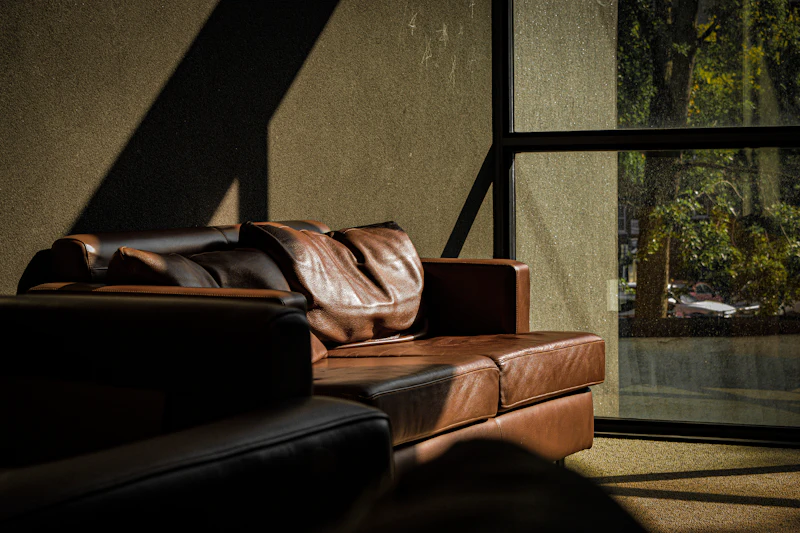
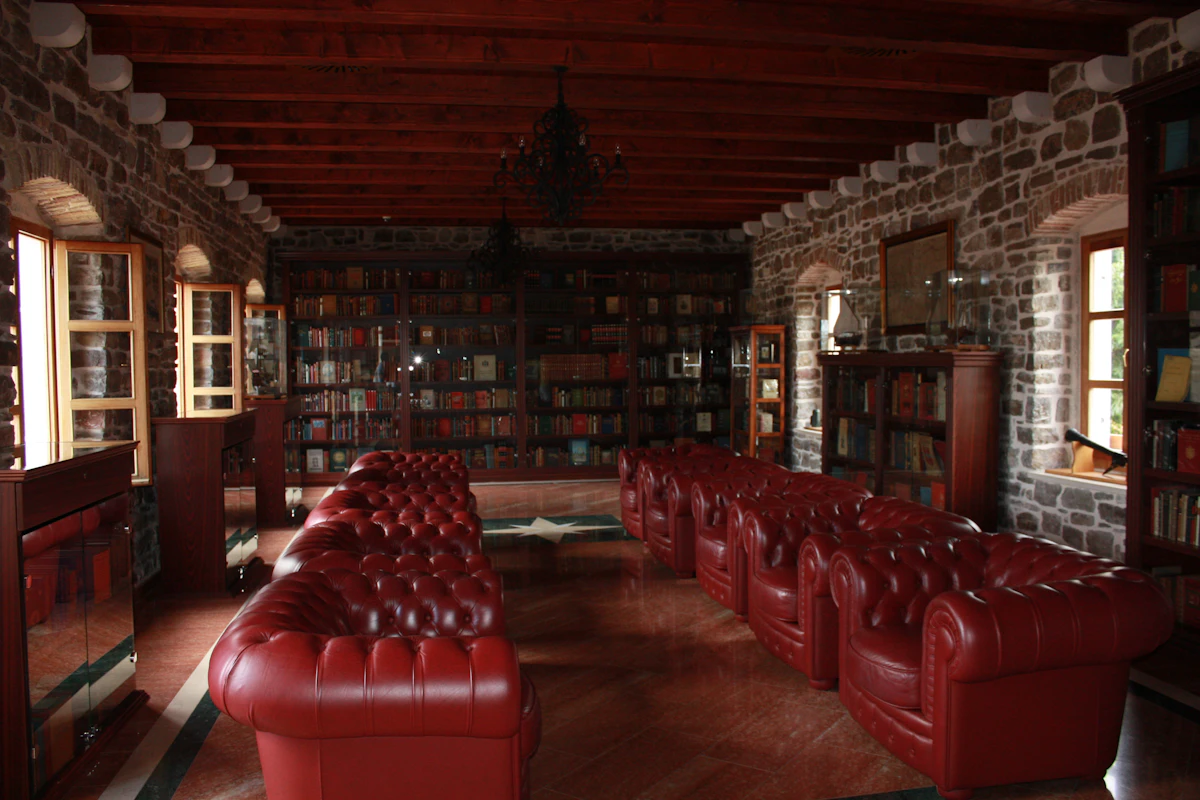
Comfort & Sensory Quality. Chuo-ku's members lounges often reflect the aesthetic sensibility of old-line culture in their material choices. The restraint the Japanese call iki — comfort built from the quality of materials and the precision of design rather than ornament — shows up directly in the quality of the space. Leather worn into a chair, the grain of a well-used counter, carefully placed lighting: these carry more than a century of accumulated cultural sensibility.
Quietness & Privacy. The quiet produced by a members lounge's closed access mirrors the character of the ward itself. Behind the door, away from Ginza's crowded main street and the tension of Nihonbashi's financial district, the room stays quiet as a place "only those who know come to." That quiet functions practically as well — as working time for confidential negotiations or weekly check-ins.
Specialness & Non-daily Experience. Belonging to a Chuo-ku members lounge can itself function as a display of business standing. "We meet at a members lounge in the Nihonbashi or Ginza area" signals trust and professional polish to whoever's on the other side of the table. This specialness comes from two layers at once: the quality of the room itself, and the meaning of belonging to something located in Chuo-ku specifically.
Story & Empathy for Background. Several of the old-line firms still active in Nihonbashi trace back more than two hundred years. When a members lounge sits inside that commercial history, the space carries meaning beyond that of a mere facility — it becomes part of a continuous thread of Japanese commercial inheritance. The accumulation of commercial culture running from Edo through Meiji, Taisho, Showa, Heisei, and into the present gives Chuo-ku's members spaces a depth of story other wards can't match.
Revisit & Continuity Value. A membership's revisit value lies in the continuous renewal of the right to belong. Monthly dues function as a recurring confirmation of that right. Once weekly use becomes routine in a Chuo-ku members lounge, the space settles into daily life as somewhere to stop before or after work, or a fixed point that sets the rhythm of the week.
Record & Share Experience. In Chuo-ku's members lounges, keeping what happens there invisible to the outside world is often the premise that maintains the room's trustworthiness. Where confidential business is discussed and important relationships are formed, a space's value is protected precisely by not being shared. On this axis, these rooms place their highest value on a kind of accumulation that stays deliberately unrecorded.
Inbound & Multilingual Compatibility. Chuo-ku holds Nihonbashi, home to a concentration of foreign firms' Tokyo offices, giving the ward a recognized identity as a center of Tokyo business in an inbound context. International businesspeople with global networks use members lounges here too, in a business context distinct from Shibuya-ku or Minato-ku. English fluency and the ability to communicate in a business register in multiple languages become genuine evaluation points on this axis.
How Does Belonging Differ Across Chuo-ku's Neighborhoods?
Chuo-ku's members lounges take on a distinct character across three areas.
Ginza channels 150 years of accumulated status into a sense of belonging built on prestige. Where Ginza's business and commercial cultures intersect, a membership card functions as a visible marker of trust and professional polish.
A more detailed look at Ginza's members lounges is available in Third Place Japan's Japanese-language guide to Ginza — an English version is planned.
Nihonbashi (area guide planned) channels Edo-era commercial history and a concentration of financial institutions into a sense of belonging built on old-line trust. In an area where firms still active after more than a century operate day to day, membership connects to trust measured across a long span of time.
Ningyocho (area guide planned) adds a different dimension entirely — belonging to the local community, built on Edo-period downtown culture and its accumulated sensibility. It's a belonging rooted in place, distinct from what Ginza or Nihonbashi offer.
What Should You Look for in a Good Members Lounge in Chuo-ku?
Matching context to what you're actually looking for is the clearest way into Chuo-ku's members lounge scene.
Match the neighborhood to your purpose. Ginza suits a business context calling for status; Nihonbashi suits the trust context of finance and commerce; Ningyocho suits anyone seeking belonging within a local community. Confirming whether a neighborhood's context matches your own purpose is the first step.
Understand the admission process. Many of Chuo-ku's members lounges operate on introduction from an existing member. That referral structure guarantees a baseline density of trust inside the room from the start, and the rigor of that screening tends to track with the caliber of the membership it produces.
Consider how the room's use shifts by time of day. Morning work, a lunch meeting, an afternoon negotiation, evening entertaining — the same members lounge can shift character across the day. Knowing your own typical hours, and the lounge's peak hours, shapes how satisfying your membership turns out to be.
Chuo-ku and Membership: A Natural Fit
Chuo-ku's affinity for the members-lounge format runs deep, rooted in a merchant culture that has always placed weight on who you meet, and where.
Edo-period currency exchangers built their business on trust with people whose faces they knew. Meiji-era trading houses cultivated human networks through members-only social clubs. That historical accumulation connects naturally to the modern members-lounge format. "I belong here" functioning as proof of trust is the core of Chuo-ku's merchant culture since the Edo period, and the historical basis for what a members lounge does as a third place today.
Frequently Asked Questions
Q. Which neighborhoods in Chuo-ku have members lounges?
Chuo-ku's members lounges concentrate in Ginza, Nihonbashi, and Ningyocho. Each neighborhood carries a different historical and cultural context, so which one you choose shapes the character of belonging you'll find there. Third Place Japan evaluates each area's character across seven axes.
Q. What makes Chuo-ku's members lounges distinctive?
Historical background tracing back to Edo-period merchant culture and the ward's role as the origin point of Japanese commerce gives Chuo-ku's members lounges a depth of belonging other wards don't replicate. Status in Ginza, old-line trust in Nihonbashi, and neighborhood ties in Ningyocho — three layers of context coexist inside a single administrative ward.
Q. Can Chuo-ku's members lounges be used for business?
Chuo-ku sits close to the seats of national politics and holds Nihonbashi, home to a concentration of foreign firms' Tokyo offices, so business use of members lounges is deeply embedded here. In a ward where "where you negotiate" itself signals credibility, choosing a members lounge is itself a statement of professional polish.
Q. What's the difference between Ginza and Nihonbashi's members culture?
Ginza's core is status and belonging built on 150 years of commercial history, functioning as a marker of trust and professional standing. Nihonbashi's core is Edo-era commercial history and a concentration of financial institutions, producing belonging tied to trust measured across a long span of time. Even within the same ward, the two carry genuinely different meanings.
Q. How do you join a members lounge in Chuo-ku?
In most cases, introduction from an existing member is a prerequisite for admission. That referral system is what guarantees the density of trust inside the room. Being embedded in Chuo-ku's business networks — the commercial human relationships centered on Ginza and Nihonbashi — tends to be the natural path toward membership.
In Summary
Chuo-ku's members lounges stand on a long timeline traced back to Edo-period merchant culture, developing three distinct layers of belonging: status in Ginza, old-line trust in Nihonbashi, and neighborhood ties in Ningyocho. A merchant culture that treated who you meet, and where, as proof of trust connects naturally to the modern members-lounge format, and the fact of belonging becomes the value of the place itself. Third Place Japan evaluates spaces like these across seven axes, and continues documenting each of Chuo-ku's neighborhoods as a distinct third place in its own right.
Related reading: Chuo-ku as a Third Place: The Merchant City That Built Japan's Bar Tradition and Chuo-ku as a Third Place: Staying at the Geographic Center of Tokyo cover the same ward's other third-place layers, built on the same merchant continuity.