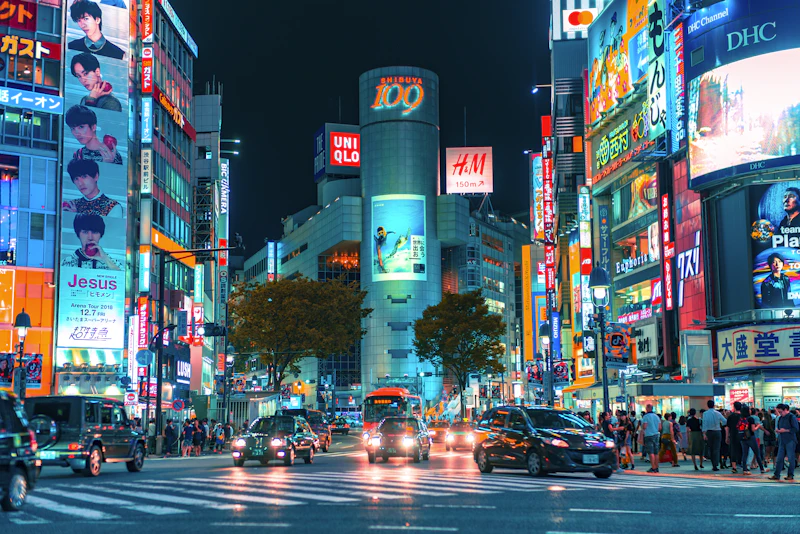
Shibuya-ku as a Third Place: Where Culture Means Joining In, Not Just Watching
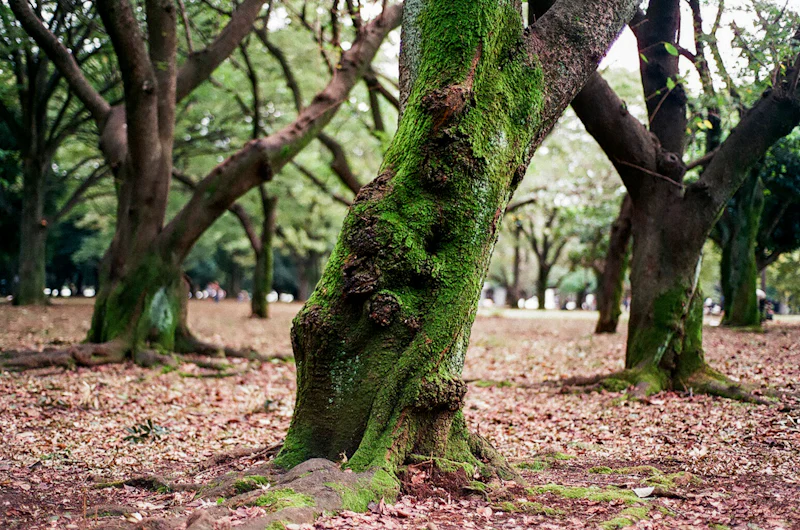
Shibuya-ku's culture and leisure scene favors participation — sport at National Yoyogi Gymnasium, skating in Yoyogi Park, joining in over watching.
Shibuya-ku's culture and leisure scene isn't built around watching from a distance — it's built around joining in. National Yoyogi Gymnasium draws spectators who become part of the crowd, Yoyogi Park draws people who came to move rather than to look, and a cluster of multi-genre venues around Dogenzaka lets a single visit cross several art forms in one building.
Why Shibuya-ku's Culture Scene Runs on Participation
Most museum and gallery visits put the audience firmly on the viewing side of the glass.
Shibuya-ku's culture and leisure experience doesn't hold that line. At National Yoyogi Gymnasium, the crowd watching a match and the people wandering the plaza afterward both become part of the same space. In Yoyogi Park, someone skateboarding and someone walking past on the lawn share the same grass and pathway. The boundary between watching and doing runs thin across this ward.
In Third Place Japan's seven-axis evaluation, Shibuya-ku's culture and leisure facilities score highest on Comfort & Sensory Quality and Specialness & Non-daily Experience — but by a different route than Ueno takes to the same axes. Ueno's non-daily quality comes from standing face-to-face with an authentic cultural treasure; Shibuya-ku's comes from becoming part of the action yourself. That distinction is the core of what this ward offers.
The Shape of Shibuya-ku's Culture Scene: Three Zones
Shibuya-ku's culture and leisure experience splits into three zones, each with a different character.
National Yoyogi Gymnasium and Jinnan — Where Spectating and Live Events Share a Roof
National Yoyogi Gymnasium was built for the 1964 Tokyo Olympics and is known for its suspended roof structure. More than sixty years on, it still hosts everything from international sporting events to concerts inside that same building.
The experience isn't confined to the seats. The time spent walking the surrounding plaza before a match or after a show is as much a part of the visit as the event itself. The neighboring district of Jinnan offers places to stop before or after an event, extending a single-purpose visit into unplanned time spent walking the neighborhood.
Yoyogi Park and the Rooftop Park Near the Station — A Culture of Moving Your Own Body
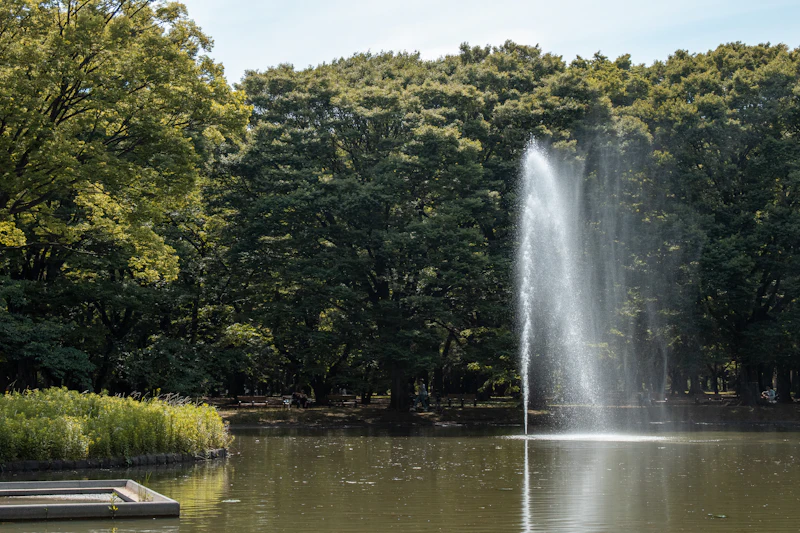
Yoyogi Park is one of central Tokyo's largest green spaces, and its lawns fill on weekends with street performers, musicians, and international festival crowds gathering with little advance planning. Skate spots and street basketball courts sit alongside the open lawn, and a noticeably high share of visitors come to do something themselves rather than to watch someone else do it.
Near the station, a rooftop garden and public deck built above one of the area's shopping complexes adds a second kind of park space — elevated above the street rather than sitting at ground level. That vertical position creates a plane for movement and rest above the city's usual pace, distinct from how Ueno Park functions purely as a container for its cultural institutions.
Dogenzaka — Genre-Crossing Culture Under One Roof
Around Dogenzaka, several multi-genre cultural venues cluster together — theaters, cinemas, concert halls, and galleries often sharing a single building. Where Ueno's model is walking between separate, adjacent institutions, Dogenzaka's is crossing genres vertically, inside one structure.
Watching a play and stopping at the attached café afterward, or catching a film and then browsing a gallery show in the same building — the flow across genres inside a single space gives this district's cultural experience an added layer of depth.
What Makes Shibuya-ku a Third Place: Turning Spectating Into Joining In
Shibuya-ku's culture and leisure facilities satisfy Oldenburg's condition of easy participation in a distinctive way.
Yoyogi Park's lawn and the rooftop park near the station require no ticket and no reservation — anyone can join. Bring a skateboard and you're a participant; leave it at home and you're a spectator. That freedom to choose your level of participation, within the very same space, is the core of this ward's park culture.
A second function is at work too: turning spectating into a walk through the neighborhood. A match at National Yoyogi Gymnasium runs a few hours, but the walk through Jinnan before it and the stop in Dogenzaka after it extend naturally from that starting point. Rather than a single-event visit, Shibuya-ku tends to generate a half-day or full-day stay built around the whole neighborhood.
How Does Shibuya-ku's Culture Scene Differ From Ueno's?
Even under the same "culture and leisure" heading, Shibuya-ku and Ueno ask for a fundamentally different kind of visitor.
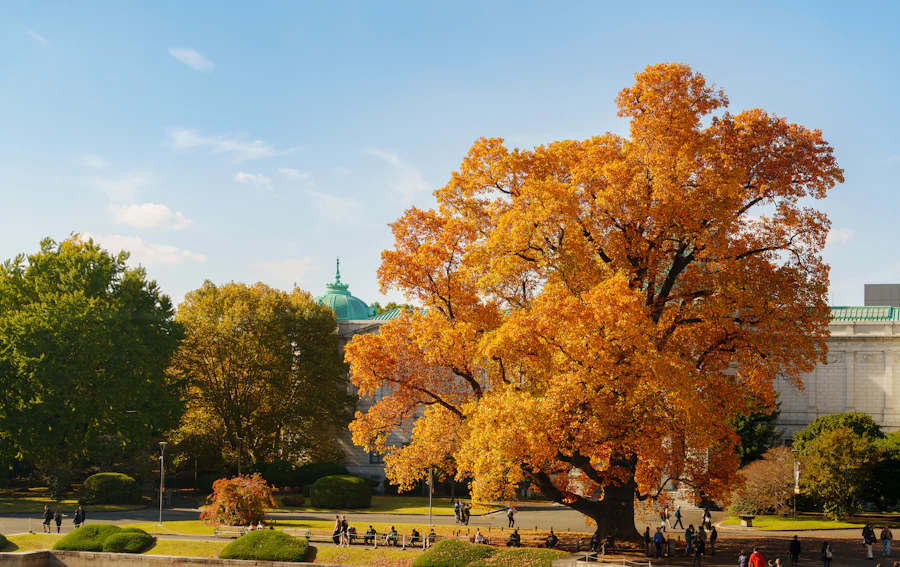
Ueno's cultural facilities sit inside a park built as a container for moving between separate institutions, each holding something authentic to view. Shibuya-ku's culture and leisure experience centers the act itself — spectating, joining in, moving through the neighborhood. Neither is better than the other; the choice comes down to whether you're looking for something to view or something to do.
Reading Shibuya-ku's Culture and Leisure Through TPJ's Seven Axes
Comfort & Sensory Quality. The breadth of Yoyogi Park's lawn, the open interior volume created by National Yoyogi Gymnasium's suspended roof, and the finishes inside Dogenzaka's multi-genre venues each generate comfort through their own combination of scale and material, indoors and out.
Quietness & Privacy. Match days and events around National Yoyogi Gymnasium, along with weekend afternoons in Yoyogi Park, tend to draw crowds. Weekday mornings and hours without a scheduled event bring a stillness that's unusual for a park this central.
Specialness & Non-daily Experience. Watching an event inside a building that carries the memory of the 1964 Olympics, or stumbling on a street performance on the park lawn — Shibuya-ku's non-daily quality tends to arrive as an unplanned encounter rather than a scheduled viewing.
Story & Empathy for Background. National Yoyogi Gymnasium was designed by architect Kenzo Tange, and its suspended-roof structure is recognized internationally. Knowing that background changes how the building reads during a visit.
Revisit & Continuity Value. National Yoyogi Gymnasium hosts a different event every time, Yoyogi Park changes face with the season and whatever gathering happens to be on the lawn that day, and Dogenzaka's venues rotate their programs — Shibuya-ku's culture scene renews on a cycle that keeps giving visitors a reason to come back.
Record & Share Experience. The sculptural roofline of National Yoyogi Gymnasium, an impromptu performance on the park lawn, the skyline seen from the rooftop park near the station — this ward offers a wide range of genuinely photogenic material without needing anything staged.
Inbound & Multilingual Compatibility. National Yoyogi Gymnasium and Dogenzaka's major venues offer solid multilingual support. Yoyogi Park centers on experiences that don't require language at all — resting on the lawn, watching a performance — which keeps the language barrier low across the ward.
How to Use Shibuya-ku's Culture and Leisure Scene as a Third Place
A few practical angles for treating this ward as a place to stay rather than a single-event destination.
Design a route around "watching plus walking." Don't let an event at National Yoyogi Gymnasium end when it ends. Build in time before or after to walk Jinnan or stop in Dogenzaka — that surrounding time is what turns a single event into a fuller stay.
Balance joining in with observing. Yoyogi Park and the rooftop park near the station support both a day spent skateboarding or playing basketball and a day spent sitting on the lawn watching everyone else do it. The same space works for both.
Choose your time deliberately. Yoyogi Park tends to run calmer on weekday mornings and busier with performances and events on weekend afternoons. Matching your visit to your goal changes the quality of the experience.
For International Visitors
National Yoyogi Gymnasium and Dogenzaka's major cultural venues offer strong multilingual support. Yoyogi Park's core experiences — resting on the lawn, watching a street performance — don't require language at all, which keeps the barrier low for visitors regardless of what they speak.
Frequently Asked Questions
Q. How is Shibuya-ku's culture and leisure scene different from Ueno's?
Ueno centers on walking between separate cultural institutions inside a park, each offering something authentic to view. Shibuya-ku centers on participation — spectating, joining in, and moving through the neighborhood. Which one suits you depends on whether you're after something to view or something to do.
Q. What's the architectural background of National Yoyogi Gymnasium?
It was built for the 1964 Tokyo Olympics and is known for its suspended-roof design by architect Kenzo Tange. More than sixty years later, it still hosts international sporting events and concerts, carrying the memory of that Olympics into active daily use.
Q. What can visitors actually do in Yoyogi Park?
Beyond resting or picnicking on the lawn, the park supports participatory activity like skateboarding and street basketball, and its weekends often bring impromptu street performances and live music. It suits visitors who want to join in as much as those who just want to watch.
Q. Is Shibuya-ku's culture scene accessible for international visitors?
Yes. National Yoyogi Gymnasium and Dogenzaka's major venues offer solid multilingual support, and Yoyogi Park's core appeal — resting on the lawn, watching a performance — doesn't depend on language at all.
Q. How would I spend a full day covering Shibuya-ku's culture and leisure scene?
A common route is Yoyogi Park in the morning for a walk or some street culture, followed by National Yoyogi Gymnasium and Dogenzaka's venues in the afternoon. Building in walking time before and after each stop is what turns a single event into a day that covers the ward's cultural density.
In Summary
Shibuya-ku's culture and leisure scene runs on a different axis than Ueno's viewing-first model: National Yoyogi Gymnasium's live spectating, Yoyogi Park's do-it-yourself street culture, and Dogenzaka's genre-crossing venues each ask visitors to join in rather than watch from a distance. Third Place Japan evaluates spaces like these across seven axes, and continues to track this participatory side of the ward as it evolves.
Related reading: Taito-ku as a Third Place: Where Culture Becomes a Place to Stay, Not Just Visit covers the same category from a viewing-first ward, and Shibuya-ku as a Third Place: Standing Where Japan's Next Trend Is Being Made explores the same ward's inbound and street-culture side.