Taito-ku as a Third Place: Where Culture Becomes a Place to Stay, Not Just Visit
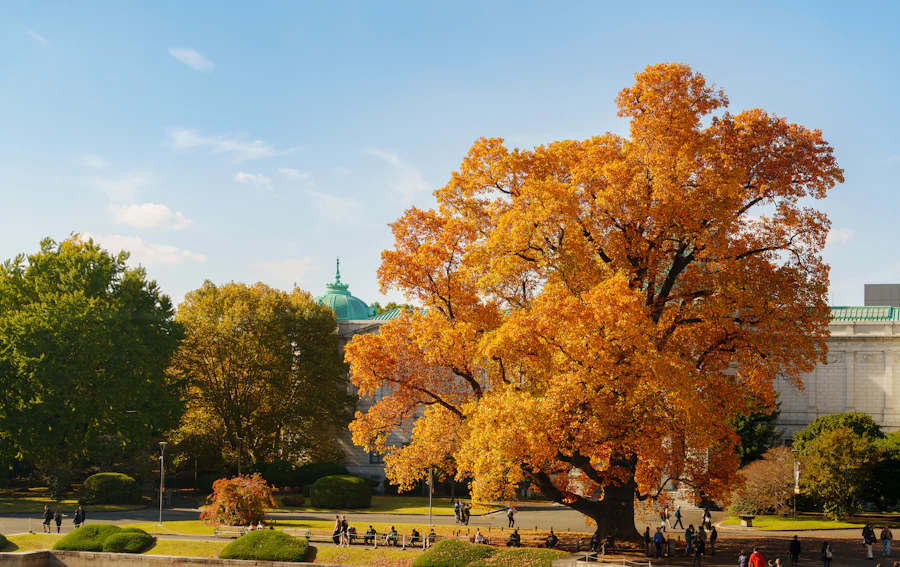
Taito-ku's museums, theaters, and craft studios sit inside parks, streets, and neighborhoods — turning culture from something you watch into somewhere you stay.
Taito-ku brings together a world-class museum complex wrapped inside a park (Ueno), a living tradition of Edo-era performance and craft (Asakusa), and a contemporary maker culture (Kuramae) inside a single ward. What turns these into a third place rather than a checklist is a shift in how you use them: not consuming an exhibit and leaving, but staying with the park, the street, or the river that holds it.
Why Taito-ku's Cultural Facilities Function as a Place to Stay
Most visits to a museum or gallery center on looking. You view the exhibit, work through the collection, and leave through the same door — and that pattern of consumption doesn't turn a cultural facility into a place you stay.
Taito-ku's cultural facilities work differently because of how they're set inside their surroundings. Ueno's museums sit inside a park, so stepping outside afterward and settling onto a bench, watching the pond, or sitting on the grass becomes a natural continuation of the visit rather than an ending. When a facility is embedded in a larger green space instead of standing alone as an isolated point in the city, visitors keep occupying the place even after they've left the building.
Asakusa's variety theaters and craft workshops carry the same structure. Watch a rakugo storytelling or manzai comedy set, then walk through Nakamise, then stop at a nearby sweet shop — the performance is embedded in the neighborhood's circulation rather than sealed off from it. That embedding is what turns a cultural visit into a third-place experience.
In Third Place Japan's seven-axis evaluation, Taito-ku's culture and leisure facilities score highest on Specialness & Non-daily Experience and Revisit & Continuity Value. The structure that makes someone who came for one exhibit want to come back — that's what makes Taito-ku's cultural facilities a place to belong, not just a destination to check off.
A Cultural Map of Taito-ku: Four Zones
Taito-ku's culture and leisure experience breaks down into four distinct zones.
Ueno — A Culture Complex Wrapped in a Park
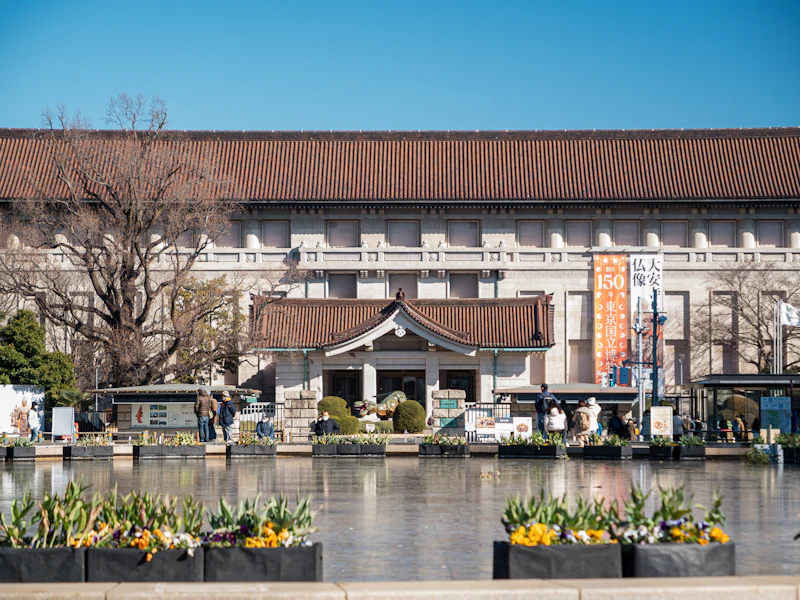
Ueno sits at the core of Taito-ku's cultural experience. Inside a park built in the Meiji era on the philosophy of opening knowledge and culture to the public, multiple world-class institutions coexist.
What defines this cultural complex is that a full day of use is built into its layout. Seeing historical artifacts in the morning, eating lunch on a park bench at midday, viewing Western art in the afternoon, and watching the park's pond in the evening — this whole day flows naturally out of how the facilities and the park sit next to each other.
Ueno's density of cultural facilities ranks among the highest in Tokyo. Even a visit built around a single destination tends to generate the motive to drop into a neighbor "while you're there." That incidental layer of cultural experience is what gives a visit to Ueno its depth.
Asakusa — A Living District of Edo Performance and Craft
Asakusa is known as a tourist destination, but seen through the lens of culture and leisure, it's a working cultural district where Edo-era performance traditions are still active today.
Several variety theaters in Asakusa stage rakugo storytelling, manzai comedy, and acrobatic acts. These aren't shows staged for tourists — they're genuine programs drawing a mix of regulars and first-time visitors. The fact that a performance tradition dating to the Edo period still fills seats today is what positions Asakusa's cultural offering as living culture outside the walls of a museum, rather than a museum piece itself.
Traditional craft and artisan-experience facilities cluster around Asakusa as well. Edo kiriko cut glass, kumihimo braiding, yuzen dyeing — visitors can take part in these crafts in the same kind of environment working artisans actually use. What makes these function as cultural experience rather than tourist consumption is the element of witnessing a craftsperson's process, not simply buying a souvenir.
Kuramae — A Culture of Contemporary Making
Kuramae, in the southern part of the ward, occupies ground that once held Edo-period rice warehouses, now resettled by independent designers, artisans, and craft studios.
Leisure in Kuramae leans closer to encounter than to looking or buying. Independently run craft studios, design offices, and ceramicists' workshops offer contact with work whose maker you can actually see, rather than mass-produced goods. Paired with a walk along the Sumida River, movement itself becomes part of the experience here.
Yanaka — Alley Galleries and a Walking Culture
Yanaka's cultural experience is a walking one, where galleries and backstreets form a single unit. Shopping streets, temples, and independent galleries sit mixed together along the alleys, and walking without a fixed destination produces encounters you didn't plan for.
What defines Yanaka's cultural experience is low cost and low obligation. Rather than facilities that require an entry fee, the free movement of walking an alley, glancing in a window, or stopping in on a whim takes priority. Without the pressure of cultural consumption, visitors settle more easily into simply being there.
Reading Taito-ku's Culture and Leisure Through TPJ's Seven Axes
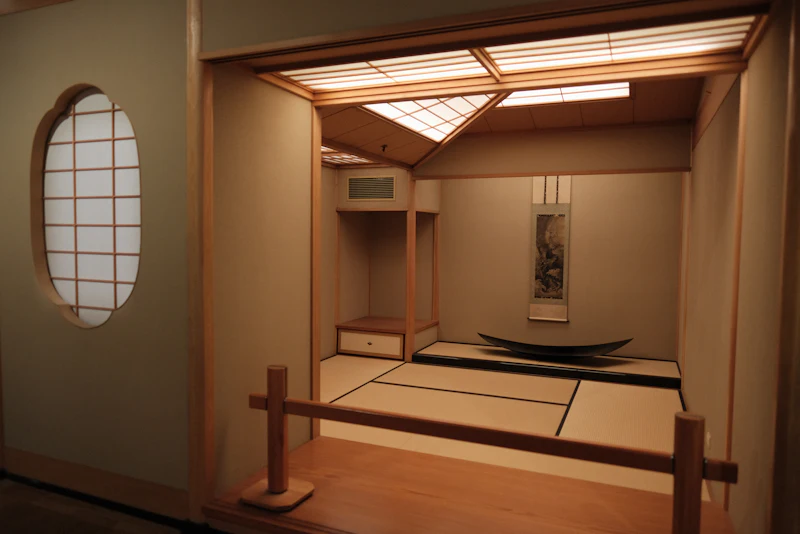
Comfort & Sensory Quality. Ueno Park's breadth and greenery form the baseline for comfort here. Asakusa's traditional architecture and theater interiors, and Kuramae's studio spaces, each generate a different register of comfort through their own materials and design.
Quietness & Privacy. This varies sharply by facility type and time of day. Ueno's exhibition rooms are designed for quiet, focused viewing. Variety theaters are built for shared enjoyment rather than silence — and that's the point, not a flaw. Yanaka's alleys shift in quietness depending on the hour.
Specialness & Non-daily Experience. Standing before nationally significant cultural treasures in Ueno, encountering an Edo-era performance tradition still running in Asakusa, meeting the makers behind Kuramae's craft — Taito-ku's non-daily quality comes from the depth of authentic Japanese culture. It isn't staged; it's contact with a real accumulation of cultural time.
Story & Empathy for Background. Ueno's cultural facilities carry the historical weight of Meiji-era national design. Asakusa's performance culture is a direct continuation of Edo-period popular culture. Knowing these stories before walking the facilities and streets changes the depth of the experience — Taito-ku rewards visitors who arrive with some of the background already in hand.
Revisit & Continuity Value. Ueno's multiple institutions hold more than any single visit can cover. Theater programs and performers change from one show to the next. Yanaka's galleries rotate with each new exhibition. Taito-ku's cultural experience is built to show a different face every time, which naturally generates a reason to come back.
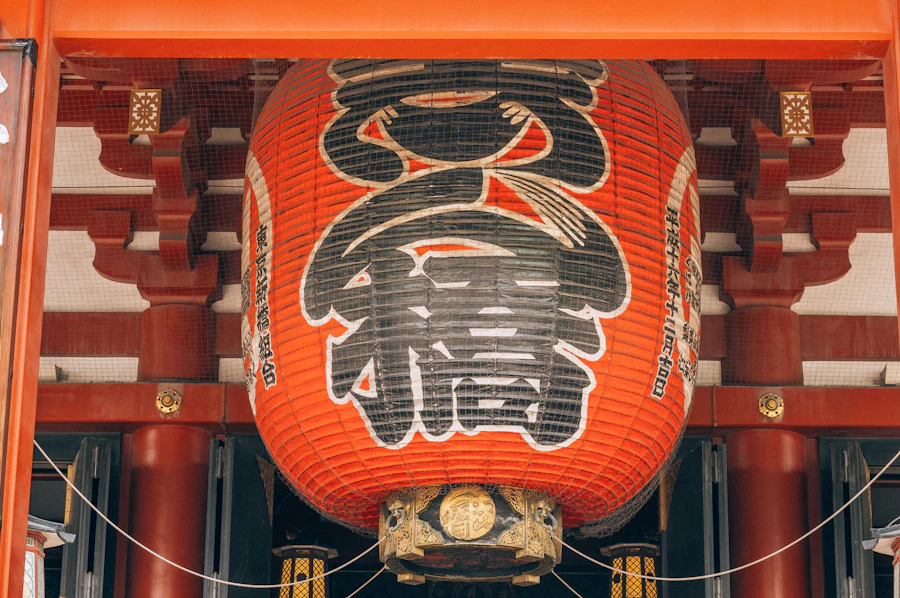
Record & Share Experience. Ueno Park's seasonal color, Asakusa's theater lanterns and craft studios, Kuramae's independent maker spaces — the ward offers a wide range of genuinely distinct backdrops without needing anything staged for the camera.
Inbound & Multilingual Compatibility. Ueno's major cultural institutions offer strong English, Chinese, and Korean support by Tokyo standards. Asakusa's performance culture carries a higher language barrier, though some venues provide English commentary or subtitles. Kuramae and Yanaka offer limited multilingual infrastructure, but craft and gallery experiences built around looking and making don't depend on language to work.
How to Use Taito-ku's Culture and Leisure Facilities as a Third Place
A few practical angles for treating Taito-ku's cultural facilities as a place to stay rather than a destination to check off.
Design a route for "inside plus outside." Don't let a cultural visit end at the exhibit. In Ueno, build in time after the facility to sit on a park bench and let what you just saw settle. That digestion time is what turns a cultural visit from surface-level consumption into something with depth.
Combine "with a purpose" and "without one." Holding a specific exhibit in Ueno as your goal, while walking Yanaka's alleys with no destination at all — combining these two modes of experience is what maximizes the range of Taito-ku's cultural and leisure offering.
Choose your time of day deliberately. Ueno's cultural facilities are emptiest right after opening. Asakusa's theaters draw different audiences for matinee and evening performances. Kuramae's craft shops tend to see more visitors on weekends. Taito-ku's cultural experience responds directly to how you time it against your purpose.
A sample day route. One facility in Ueno in the morning (2–3 hours), lunch on a park bench (1 hour), a walk and craft exploration around Kuramae or Asakusa (2 hours), and an evening theater performance in Asakusa (1–2 hours) — this route crosses Taito-ku's cultural density in a single day.
Frequently Asked Questions
Q. What's the most efficient way to cover Taito-ku's cultural facilities in one day?
Since several of Ueno's cultural facilities sit within walking distance of each other, a "concentrated" day built around two to three hours at one facility, with a park break in between, tends to work well. Kuramae and Asakusa sit within a 20–30-minute train or walk from Ueno. Third Place Japan sees the combination of in-facility viewing and outside downtime as the key to turning Taito-ku's cultural experience into a genuine third place.
Q. How much does admission cost at Taito-ku's cultural facilities?
It varies by facility and often changes depending on whether a special exhibition is running alongside the permanent collection, so it's worth checking each venue's official site in advance. Entering Ueno Park, walking Yanaka's alleys, and walking around Kuramae are all free.
Q. Is Taito-ku's culture and leisure scene a good fit for international visitors?
Ueno's major cultural institutions offer strong English and multilingual support, which suits international visitors particularly well. Some of Asakusa's performance and Kuramae's craft experiences carry a language barrier, but the visual, hands-on parts of these experiences work regardless of what language you speak. For the fuller inbound picture of the ward, see Taito-ku as a Third Place: Where Asakusa, Ueno, and Yanaka Keep Edo Culture Alive.
Q. How does Taito-ku's cultural experience differ from Shibuya's or Roppongi's?
Shibuya and Roppongi center on contemporary art and contemporary culture — a way of experiencing today's Tokyo. Taito-ku layers Edo, Meiji, and contemporary culture on top of each other, offering something closer to a vertical cross-section of Japanese culture across time. Neither is better than the other — they answer different questions about what kind of cultural experience you're after.
Q. Do I need a reservation to see traditional performing arts at Asakusa's theaters?
It depends on the venue — some sell same-day tickets, others operate on a reservation system. Popular programs or special performances may require booking ahead, so it's worth checking each theater's official information beforehand. Regular variety programs are often available as same-day tickets, but current details should always be confirmed on the venue's official site.
In Summary
Taito-ku turns culture into something you stay with rather than something you simply view — Ueno's museums inside a park, Asakusa's living performance and craft traditions, Kuramae's maker culture, and Yanaka's alley galleries each embed a cultural facility inside a larger place you can continue to occupy. Third Place Japan evaluates spaces like these across seven axes, and Taito-ku's culture and leisure experience shows what it looks like when a cultural visit becomes a genuine third place instead of an item on a list.
Related reading: Taito-ku as a Third Place: Where Asakusa, Ueno, and Yanaka Keep Edo Culture Alive covers the same four neighborhoods from an inbound-experience angle, Taito-ku as a Third Place: Finding Retreat and Zen Stillness Without Leaving Tokyo explores the quieter side of the same ward, and Taito-ku as a Third Place: Where Faith Is Daily Life, Not a Sightseeing Stop covers its shrines and temples. For the broader framework behind these evaluations, see What Is a Third Place? The TPJ Guide to Japan's Concept of Ibasho.