Taito-ku as a Third Place: Where Faith Is Daily Life, Not a Sightseeing Stop
Taito-ku's shrines and temples — Sensoji, Ueno's shrines, Yanaka's 30-plus temples — remain living faith woven into daily life, not sightseeing stops.
Taito-ku's shrines and temples function as part of daily life before they function as sightseeing destinations. Sensoji, the shrines of Ueno, and the more than 30 temples of Yanaka aren't places reserved for special occasions — they're where someone stops to press their hands together on the way to the station, and where a family visits the same grave every year on the same date.
Why Do Taito-ku's Shrines and Temples Still Function as Daily Life?
In many cities, a shrine or temple is a place visited on a special day — New Year's, a coming-of-age ceremony, a sightseeing trip — treating faith as an occasional event rather than a place you belong to.
Taito-ku works differently. Someone uses Sensoji's grounds as a route to work. In Yanaka's backstreets, a resident presses their palms together at a roadside jizo statue before heading out for the day, without breaking stride. In Ueno, visiting a family grave is a practice that continues across generations. What makes Taito-ku's shrines and temples function as a third place is that faith here isn't an event — it's a routine woven into the neighborhood.
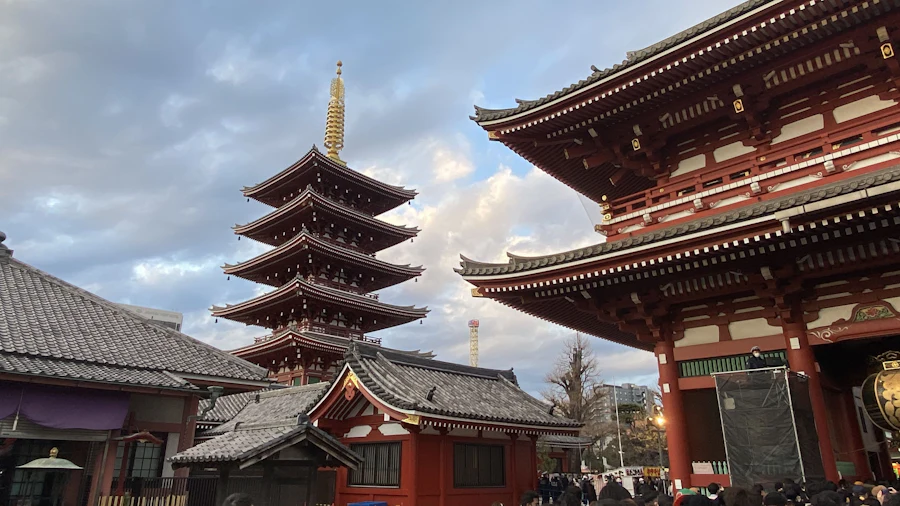
This structure isn't an accident. The Edo-period temple registration system required every resident to be affiliated with a specific temple, fusing religious life with administrative life, and its residue is still visible in Taito-ku today, in families who remain connected to the same temple across generations. A tourist photographing Sensoji's main hall, and a local resident in the alley just behind it going through their daily routine of prayer — that two-layered structure sets Taito-ku's religious spaces apart from any other in Tokyo.
In Third Place Japan's seven-axis evaluation, Taito-ku's shrine and temple experience scores particularly high on Story & Empathy for Background. The continuity of faith itself is what gives this ward its narrative depth.
A Map of Faith in Taito-ku: Three Religious Layers
Taito-ku's shrines and temples formed through three distinct historical processes.
Asakusa — A Place of Prayer That Predates the City
Sensoji is said to have been founded in 628, long before Edo existed as a city at all. Its origin story tells of two fishermen brothers who pulled a statue of Kannon from the Sumida River — and the neighborhood grew up around that single point of worship, rather than the temple being built into an already-developed city. That's the reverse of how most religious sites relate to their surroundings.
This reversed order of development shapes the character of Sensoji's grounds today. The main hall, past the bustle of Nakamise, isn't tucked away at the "back" of a tourist district — the entire neighborhood radiates outward from this single point. The approach from Kaminarimon to the main hall isn't just a route; it retraces the very shape the neighborhood grew into.
Ueno — Sacred Ground Before It Was a Park
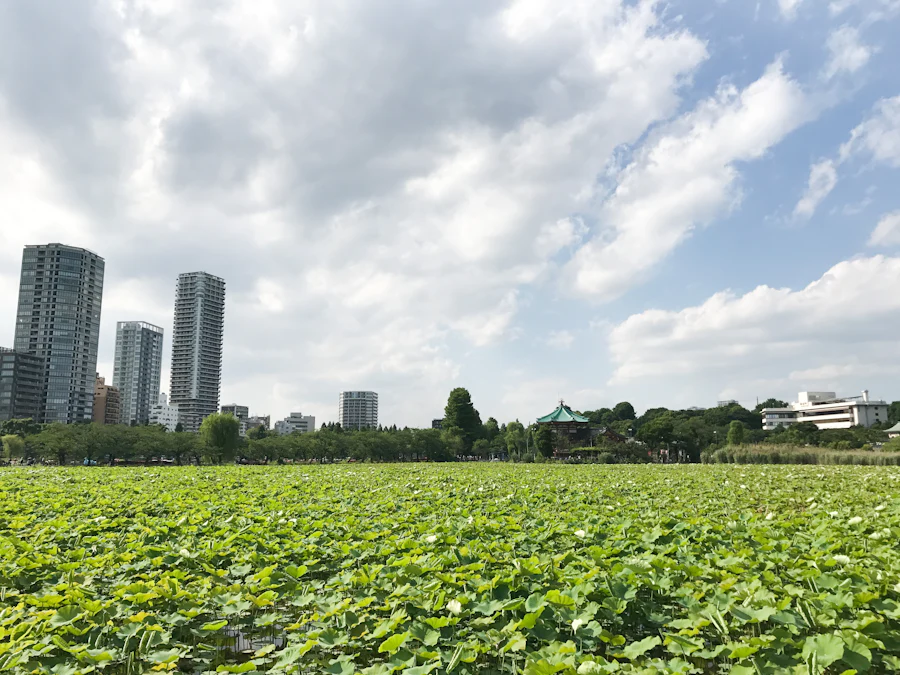
Understanding Ueno's shrines requires knowing one fact: the land now called a park was once the precinct of Kaneiji, the Tokugawa shogunate's family temple. Founded in 1625 by the priest Tenkai, Kaneiji was built at the northeastern point believed to guard Edo Castle from misfortune, and at its height its grounds extended well beyond the area of today's park.
Most of it burned during the Battle of Ueno in 1868, and the Meiji government converted the land into a public park. What most visitors now experience as a destination for museums and cherry blossoms is, geographically, still Kaneiji's former precinct — structures including Kiyomizu Kannon-do and Ueno Toshogu Shrine remain on the original site, carrying the memory of sacred ground beneath what feels like a cultural park.
Yanaka — Where Temple Registration Still Runs
Yanaka is a temple town formed by an early-Edo urban plan that concentrated more than 30 temples in one district (a story explored elsewhere in Third Place Japan's Taito-ku coverage). Here, the focus is on a different thread: many of Yanaka's temples still maintain the danka system — families affiliated with a specific temple across generations.
The Yanaka, Nezu, and Sendagi area is often described as having been comparatively spared from the fires of the 1923 earthquake and wartime bombing, leaving a rare concentration of Edo-period buildings and gravesites still standing in place. That physical continuity, layered onto the institutional continuity of the danka system, is what allows the same families to visit the same graves today that their ancestors visited generations ago. That continuity is often lost once a temple becomes primarily a tourist site — which is exactly what makes Yanaka's temple town distinct.
How Faith Becomes an Everyday Third Place in Taito-ku
The mechanism behind Taito-ku's shrines and temples functioning as a third place shows up in a Japanese religious concept: the ujigami, or local guardian deity.
An ujigami, or chinju, is a deity understood to watch over the people of a specific area. Taito-ku's backstreets are dotted with small shrines and jizo statues woven into the residential fabric — places residents pass and press their hands together at, without it registering as a special act. Faith and daily movement aren't separated here; that's the structure at the core of Taito-ku's religious spaces.
Ennichi, the periodic temple market days, make this everyday quality most visible. On specific dates, a temple's grounds transform into a neighborhood marketplace of stalls and nearby residents — the present-day form of a system fusing local commerce with religious observance since the Edo period.
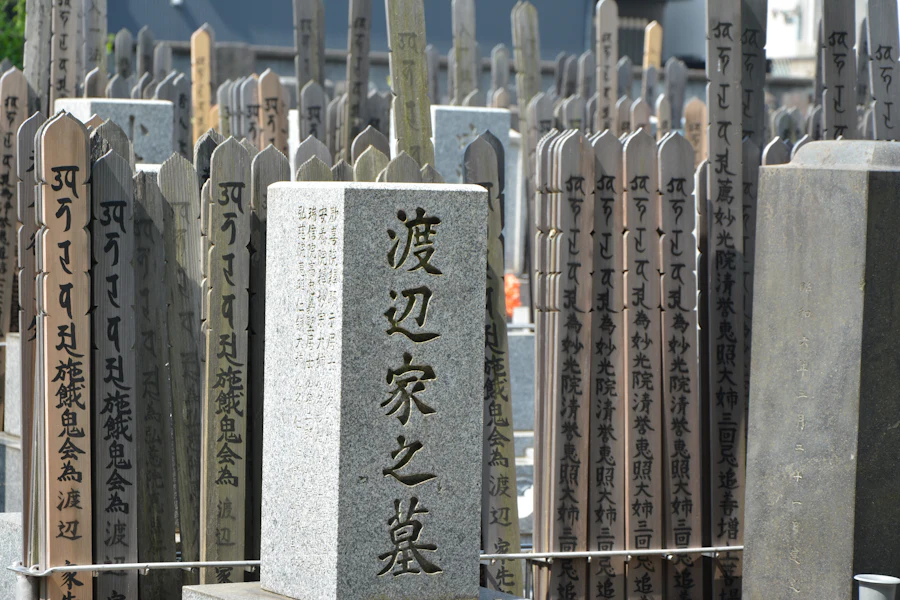
Grave visits are another defining practice. During Obon and the equinox periods, local families can be seen visiting temple graveyards in Yanaka. This isn't a one-time sightseeing experience — it's a habit repeated across generations, and it embodies, in its deepest form, the quality of "regulars" that Oldenburg identified as essential to a third place.
Reading Taito-ku's Shrine and Temple Experience Through TPJ's Seven Axes
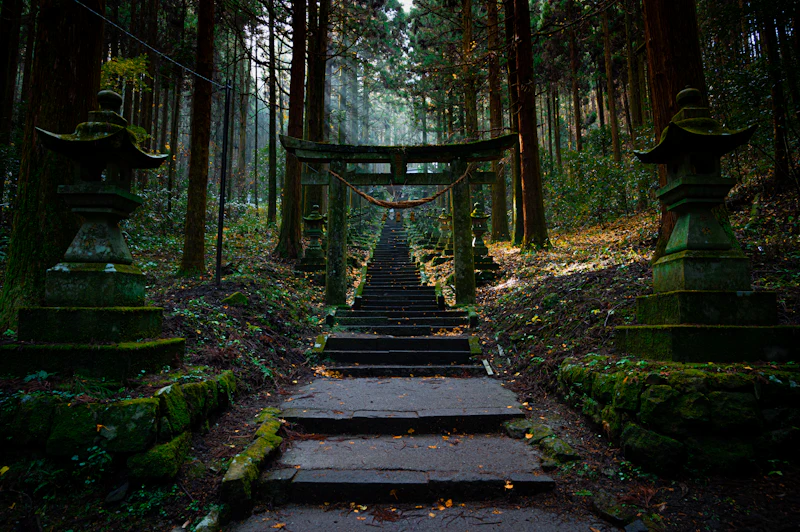
Comfort & Sensory Quality. The stone paving of Sensoji, the moss-covered grave markers of Yanaka, the trees still standing on Kaneiji's former grounds in Ueno — the texture that time itself has produced generates a comfort no staged design can replicate.
Quietness & Privacy. Sensoji's main approach tends to draw crowds, but Yanaka's alley temples and the early-morning grounds elsewhere in the ward carry a different layer of stillness. The essential quiet of a place of faith tends to emerge once you step outside the hours of peak tourism.
Specialness & Non-daily Experience. A founding story dating to 628 in Asakusa, land that was once a shogunal family temple in Ueno, a temple town where family registration still runs in Yanaka — Taito-ku's non-daily quality comes from the sheer depth of continuous faith itself.
Story & Empathy for Background. This is the axis that unlocks Taito-ku's shrines and temples. Sensoji is a place of prayer that predates the city around it; Ueno is sacred ground that became a park; Yanaka is a temple town where physical continuity and institutional continuity reinforce each other. Knowing each background changes how the same grounds appear. Taito-ku's faith experience deepens in direct proportion to the knowledge a visitor brings to it.
Revisit & Continuity Value. Ennichi recur monthly, and grave visits increase around Obon and the equinoxes. Taito-ku's shrines and temples give residents a reason to return again and again, in step with the rhythm of the calendar.
Record & Share Experience. Sensoji's five-story pagoda and lanterns, the moss-covered graves of Yanaka, the gold-leafed halls of Ueno Toshogu — Taito-ku's religious spaces offer genuine, unstaged subject matter in real depth.
Inbound & Multilingual Compatibility. Sensoji's multilingual support ranks among the strongest of any religious site in Tokyo. Yanaka and Ueno's smaller shrines and temples offer more limited language support, but the act of pressing your palms together requires no language at all — a neutrality that fits Oldenburg's own description of a third place.
How Do You Recognize a Living Place of Faith in Taito-ku?
A few angles help distinguish a shrine or temple that's still part of daily life from one that has become primarily a tourist attraction.
Watch the time of day. Visit early, when the people at prayer are still residents rather than tourists, and you'll see a place of faith closer to its true character than the daytime crowds reveal.
Watch the route. Beyond the main approach — Kaminarimon to the main hall — walking the backstreets and side alleys reveals the small shrines and jizo statues woven into residents' daily paths.
Watch the calendar and the graveyard. Visiting during ennichi, the equinox, or Obon puts you in the middle of faith functioning as a neighborhood tradition. In places like Yanaka, where a graveyard doubles as a shortcut through daily foot traffic, reverence for the dead and the routines of the living share the same ground — a quality easily lost once a religious site becomes primarily a tourist stop.
The Historical Design Behind Taito-ku's Faith
The everyday quality of Taito-ku's shrines and temples rests on an institutional foundation from the Edo period.
The temple registration system required every resident to be affiliated with a specific temple, with the shogunate using temples to carry out administrative functions at the neighborhood level — a temple wasn't simply a place of worship but a node connecting family records, administration, and community. Its residue, still visible in Taito-ku today and especially in Yanaka, carries that administrative history into the present.
Kaneiji's founding tells a similar story about a city where politics and faith were never fully separate. Built deliberately at the point believed to protect Edo Castle from misfortune, Kaneiji was simultaneously a place of worship and a symbol of urban defense — a dual function whose memory still lies beneath what is now experienced as "a place for culture and leisure."
Sensoji's origin story exists on its own timeline, independent of Edo's urban planning entirely — the fact that the neighborhood grew up around this single point of worship is a distinction unique to Asakusa within Taito-ku.
Frequently Asked Questions
Q. How can I find shrines and temples in Taito-ku that haven't become primarily tourist attractions?
Visit early in the day, and look beyond the main approach toward the backstreets and side alleys, where small shrines and jizo statues sit woven into residents' daily routines. Yanaka's temple town is especially good for this — the way faith and everyday foot traffic share the same ground is easy to observe there.
Q. Why is Sensoji older than the city of Edo itself?
Sensoji is said to have been founded in 628, following an origin story about a statue of Kannon pulled from the Sumida River by two fishermen. It existed as a place of prayer long before Edo formed as a city, and the neighborhood grew up around the temple afterward — an unusual order of development.
Q. What's the relationship between Ueno Park and Kaneiji?
The land now occupied by Ueno Park was once the precinct of Kaneiji, the Tokugawa family's temple. Most of it burned during the Battle of Ueno in 1868, and the Meiji government converted the land into a park, though some structures — including Kiyomizu Kannon-do and Ueno Toshogu Shrine — remain on their original sites today.
Q. What is the danka system practiced at Yanaka's temples?
The danka system is an Edo-period practice in which a specific family remains affiliated with one temple across generations, entrusting it with funerals and grave management. Many of Yanaka's temples still maintain this system, with the same families visiting the same temple and the same graves generation after generation.
Q. How is Taito-ku's shrine and temple experience different from a major shrine like Meiji Jingu?
A large-scale shrine like Meiji Jingu tends to function primarily around silence and non-daily experience. Taito-ku's shrines and temples carry that same non-daily quality, but combine it with an everyday quality woven into residents' routines. Neither is better — they represent different characters of religious space. See Meiji Jingu as a Third Place: Finding Silence in Central Tokyo for that comparison in more depth.
In Summary
Taito-ku's shrines and temples work as a third place because faith here was never separated from daily life — Sensoji's founding predates the city that grew around it, Ueno Park is built on what was once sacred ground, and Yanaka's temple registration system still connects the same families to the same graves across generations. Third Place Japan evaluates spaces like these across seven axes, and Taito-ku's shrine and temple experience is a clear example of what it looks like when faith remains a routine rather than an event.
Related reading: Taito-ku as a Third Place: Where Asakusa, Ueno, and Yanaka Keep Edo Culture Alive, Taito-ku as a Third Place: Finding Retreat and Zen Stillness Without Leaving Tokyo, and Taito-ku as a Third Place: Where Culture Becomes a Place to Stay, Not Just Visit cover the same ward from its other three angles. For a wider look at faith and silence as a third place, see Meiji Jingu as a Third Place: Finding Silence in Central Tokyo.