Taito-ku as a Third Place: Finding Retreat and Zen Stillness Without Leaving Tokyo
Taito-ku offers genuine retreat inside Tokyo — Yanaka's temple alleys, Ueno's park stillness, and Asakusa's early mornings, read through TPJ's seven axes.
Taito-ku makes retreat possible without leaving Tokyo. Built around Yanaka, a temple town of more than 30 temples, and layered with the early-morning stillness of temple grounds and the open margin of riverside paths, this ward offers one of the few places in the city where genuine quiet coexists with daily urban life. For residents and travelers alike looking for a kind of stillness that doesn't require a train out of the city, Taito-ku is where that search tends to end.
Why Retreat Doesn't Require Leaving Tokyo
When people look for retreat near Tokyo, the instinct is usually to leave it. Karuizawa, Hakone, Kamakura — all of them assume an hour or two of travel. Taito-ku offers a different possibility: margin that doesn't require an exit.
Taito-ku is among the smallest of Tokyo's 23 wards by area, and yet within that small footprint it holds Yanaka, a temple town of more than 30 temples; Ueno, built around a park that has functioned as a public vessel since the Meiji era; and the Asakusa area, where temple grounds carry a distinct stillness before the crowds arrive. Density and margin exist side by side here — that combination is what makes Taito-ku structurally unusual.
In Third Place Japan's seven-axis evaluation, Taito-ku's retreat and zen experience scores highest on Quietness & Privacy and Story & Empathy for Background as an in-city third place. This isn't absolute silence — it's quiet that sits inside the sound of daily life. That distinction is what separates a Taito-ku retreat from a mountain lodge or a suburban facility built purely for withdrawal.
Taito-ku's Three Layers of Quiet
Retreat in Taito-ku isn't one experience — it's three, each with a different character.
Yanaka — Temple Alleys and Living Silence
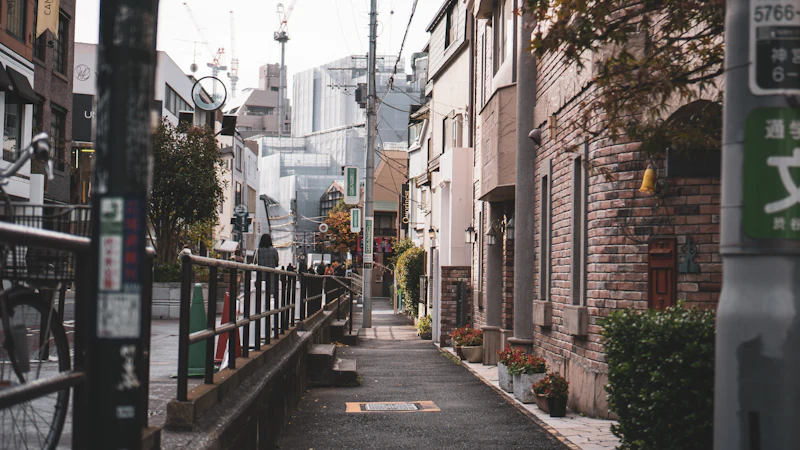
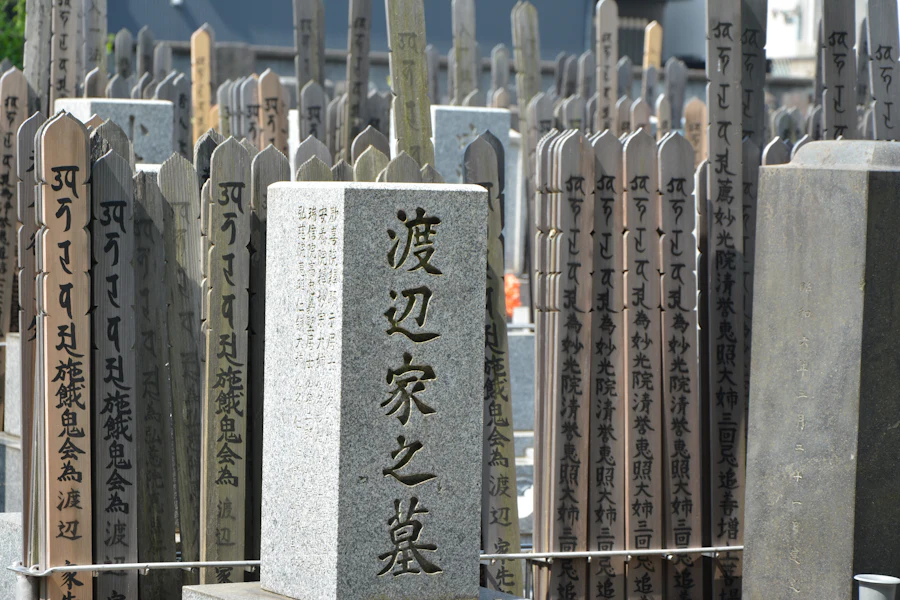
Yanaka sits in the ward's northwest, a temple town built up around Yanaka Cemetery. More than 30 temples cluster in the area, and this concentration isn't preserved as a museum piece — these are active, functioning religious sites today.
What defines Yanaka's quiet is that it's a living silence, not an engineered one. Yanaka Ginza, the local shopping street, sits directly alongside the temple alleys. Everyday sound is present in the background, and then you step into a temple courtyard and time shifts — that contrast is what makes Yanaka's stillness distinct. The district hasn't been overtaken by tourism, so residents, worshippers, and visitors share the same narrow streets without friction.
Ueno — The Park as a Vessel for Margin
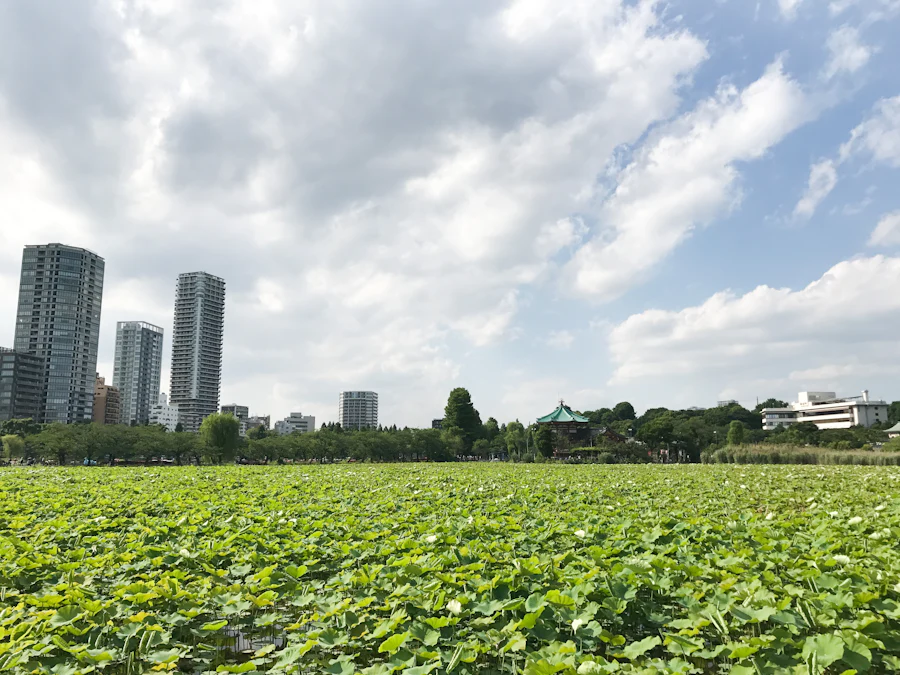
At the center of the Ueno area, a large park functions as a container for unstructured time. After visiting a museum or gallery, sitting down on a park bench afterward becomes a natural way to let the experience settle.
The park's function as margin is most visible early in the morning and on rainy days. When a weekday opening coincides with quiet weather, the grounds fall still enough that sitting by the pond or reading under a tree becomes possible in the middle of a major city. This isn't retreat as active zen training — it's retreat as a place where doing nothing is permitted.
Around Asakusa — Early Temple Grounds and the Sumida Riverside
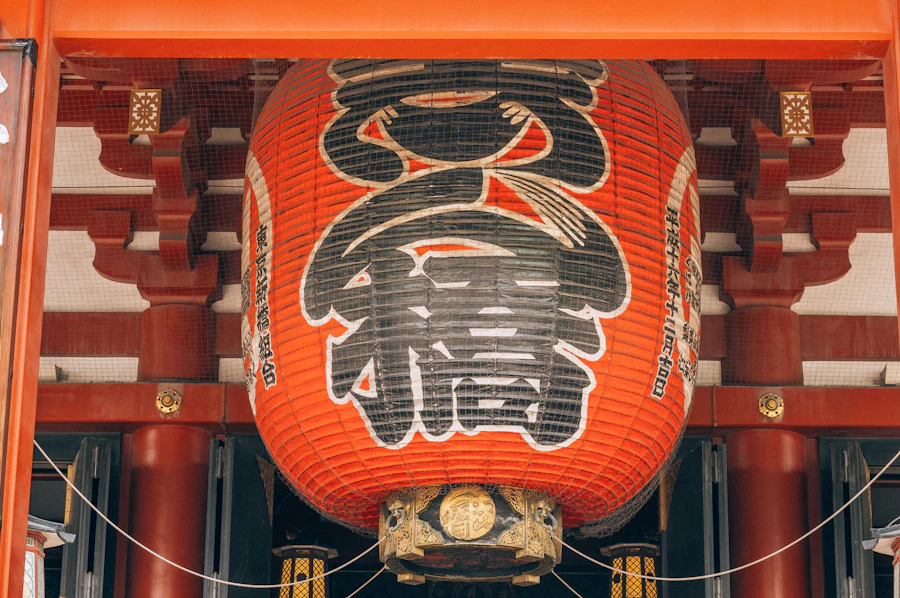
Asakusa draws heavy foot traffic during the day, but early morning reveals a completely different face. Before worshippers arrive, the temple grounds hold only swept stone paving and the first light of the day — a quiet that belongs to a different register from the daytime tourist experience entirely.
The promenade along the Sumida River is an easily overlooked layer of Taito-ku's retreat geography. Walking the riverside, sitting on a bench, watching the movement of the water — none of this is active experience-consumption. It functions instead as margin set into the middle of the city.
What Makes This a Third Place: Silence Inside the Sound of Daily Life
The core of Taito-ku's retreat experience isn't isolation — it's quiet that coexists with an ordinary, functioning neighborhood.
Oldenburg's conditions for a third place — neutral ground open to anyone, a base of regulars, ease of access — are dense across Taito-ku's temple courtyards, park plazas, and riverside paths. None of them require payment, reservation, or any particular background to simply be there.
What makes this retreat, rather than mere sightseeing, is the option to do nothing. A temple courtyard doesn't require you to observe anything in particular. A park bench doesn't require you to move on within a set time. That absence of obligation is what turns ordinary public space into a place of retreat.
Reading Taito-ku's Retreat Experience Through TPJ's Seven Axes
Comfort & Sensory Quality. The materials in Yanaka's alleys and temple courtyards — stone, moss, timber — carry a texture that works on sight and touch. This isn't manufactured atmosphere; it's the patina that time itself has produced. Ueno's park adds breadth and green cover as its own comfort baseline.
Quietness & Privacy. This shifts sharply with timing and route. A weekday morning in Yanaka, a rainy day in Ueno, the temple grounds around Asakusa before worshippers arrive — when these conditions align, real quiet becomes available inside the city. Midday and weekends bring more foot traffic, so timing matters if silence is the goal.
Specialness & Non-daily Experience. A temple town of more than 30 clustered temples, a park that still carries Meiji-era cultural planning, temple grounds descended from Edo-period entertainment districts — Taito-ku's non-daily quality comes from the accumulation of real historical time, not staged novelty. Contact with something genuinely old is what generates the sense of occasion here.
Story & Empathy for Background. Yanaka's temple cluster is a product of early-Edo urban planning; Ueno's park is a product of Meiji-era cultural design; Asakusa's temple grounds carry the memory of Edo commoner culture. Each layer has real historical weight, and knowing it changes how the space registers when you're standing in it.
Revisit & Continuity Value. Yanaka's alleys change character with the seasons — plum and cherry blossoms transforming the temple courtyards, the light along the Sumida on a summer morning, the hush of a Yanaka backstreet in winter. A Taito-ku retreat shows a different face each time you return.
Record & Share Experience. This isn't the ward's strongest axis by design — much of the appeal here is the opposite of performance for a camera. Still, Yanaka's weathered temple gates, the reflection of light on the Sumida, and Ueno's park under seasonal color offer quiet, unstaged material for anyone inclined to record the moment rather than perform it.
Inbound & Multilingual Compatibility. Ueno's cultural facilities are well set up for multilingual visitors. Yanaka and the temple grounds around Asakusa require no language at all — the neutrality Oldenburg described, open to anyone regardless of what they speak, is built into the design of these spaces.
How to Find the Right Conditions for Retreat in Taito-ku
In Taito-ku, choosing the right time of day matters more than choosing the right place.
Early morning. Temple grounds and alleys between 6 and 8 a.m. show a version of Taito-ku that daytime visitors never see — quiet and space in something close to their natural state, before the day's foot traffic begins. This generally means either staying somewhere in or near Taito-ku or arriving on an early train.
Weekdays. Yanaka on a weekday carries fewer visitors and more of the rhythm of local life in the foreground. Walking its alleys or sitting on a bench moves at a slower pace than on weekends. Ueno's cultural facilities are also quieter right after a weekday opening.
Rainy days. Taito-ku's outdoor spaces — Yanaka's alleys, Ueno's park — turn rain into a condition for quiet rather than an obstacle, given the right preparation. Foot traffic drops, and the space settles back into something closer to its natural stillness.
Route design. In Yanaka, moving from Yanaka Ginza (the sound of daily life) to the temple alleys (silence) to the road along the cemetery (open margin) is itself part of the experience. Deliberately alternating between a main street and its backstreets changes which layer of quiet you're standing in.
The Historical Design Behind Taito-ku's Quiet
Yanaka's temple cluster isn't an accident of geography. In the early Edo period, the shogunate deliberately concentrated temples toward the northeast of Edo Castle — a direction traditionally considered inauspicious — combining a fire-break function with religious placement. That historical decision is the reason Yanaka's terrain looks the way it does today, still functioning as a retreat zone four centuries later.
Ueno's park opened in 1873, Japan's first public park, gathering a museum, an art museum, and a concert hall inside a single green space and opening all of it to citizens. That Meiji-era design philosophy is the skeleton underneath what is now a space where culture and open margin coexist.
The Sumida River has been a river meant for viewing since the Edo period — fireworks, boat outings, riverside teahouses. That cultural groundwork, treating the water's edge as something to simply enjoy rather than use, is still present in the riverside space today. Walking along it, watching it, sitting beside it — these acts carry a historical basis for functioning as margin, not just modern convenience.
The reason retreat works inside this particular part of the city is that this historical design of margin is still active. It isn't manufactured quiet — it's quiet that history built, and that Taito-ku has kept running.
Frequently Asked Questions
Q. What's the best time of day for a retreat experience in Taito-ku?
Early morning (6–8 a.m.) at temple grounds, weekday mornings in Yanaka's alleys, and rainy days in Ueno Park are when Taito-ku's quiet is at its strongest. Weekend daytime tends to draw more visitors, so timing matters if silence is what you're after. Third Place Japan evaluates Taito-ku's Quietness & Privacy axis as highly time-dependent.
Q. Can I take part in zazen or meditation programs at temples in Taito-ku?
Some temples offer periodic zazen sittings or sutra-copying sessions, but schedules, reservation methods, and eligibility vary by temple, so it's worth checking each temple's own information beforehand. Yanaka alone has more than 30 temples, and simply visiting or spending time in the grounds is usually open to anyone, without language requirements or reservations.
Q. Can a Taito-ku retreat be done in a single day?
Yes. A route through Yanaka (alley walking, temple visits), Ueno (park and cultural facilities), and Asakusa (early-morning stillness, temple grounds) covers all three of Taito-ku's retreat zones in half a day to a full day. It works equally well for Tokyo residents and for travelers staying nearby.
Q. How is Taito-ku different from suburban retreats like Kamakura or Takao?
Kamakura and Takao are built on the premise of physically leaving Tokyo — a non-daily experience rooted in distance. Taito-ku works on a different structure: margin that exists inside the city itself. Quiet set within the sound of everyday downtown life, and temple-town margin that traces back to the Edo period, make a Taito-ku retreat fundamentally different from a countryside escape built around natural silence.
Q. Is Yanaka or Asakusa better suited for retreat?
It depends on your purpose and the time of day. Yanaka suits alley walking, quiet, and coexistence with local life. Asakusa is stronger for an early-morning temple encounter with a genuinely historical space. Rather than choosing one area over the other, treating a Taito-ku retreat as a timeline — Yanaka in the morning, then Asakusa at first light on another visit — is what lets the ward's retreat character show itself fully.
In Summary
Taito-ku proves that retreat doesn't require distance — it requires the right conditions inside a city that already has them. Yanaka's temple alleys, Ueno's park margin, and Asakusa's early-morning stillness are three different registers of a quiet that has been built into this ward since the Edo period and the Meiji era alike. Third Place Japan evaluates spaces like these across seven axes, and Taito-ku's retreat and zen experience is a clear demonstration of what genuine stillness can look like without ever leaving Tokyo.
Related reading: Meiji Jingu as a Third Place: Finding Silence in Central Tokyo explores a similar kind of urban stillness elsewhere in the city, and Taito-ku as a Third Place: Where Asakusa, Ueno, and Yanaka Keep Edo Culture Alive covers the same four neighborhoods from an inbound-experience perspective. For Ueno's museums, Asakusa's theaters, and Kuramae's craft studios, see Taito-ku as a Third Place: Where Culture Becomes a Place to Stay, Not Just Visit, and for the shrines and temples behind the ward's quiet, see Taito-ku as a Third Place: Where Faith Is Daily Life, Not a Sightseeing Stop.