Tokyo Third Places: A Traveler's Guide to Finding Your Space in Japan
Tokyo is one of the world's best cities for third places — spaces beyond home and work where you can simply be yourself. Third Place Japan (TPJ) has evaluated hundreds of Tokyo spaces across seven axes of quality. This guide introduces how travelers can find and use these spaces effectively.
Whether you are in Tokyo for a week or working remotely for a month, one of the most valuable things you can do is find your third place: a space that becomes yours. Not a tourist attraction to check off, but a place to return to, to think in, to feel at home in briefly.
What Is a Third Place?
The concept was developed by American sociologist Ray Oldenburg, who observed that healthy social life requires three distinct environments: home (first place), work or school (second place), and a "third place" — a neutral, accessible, regularly-visited space where people gather informally.
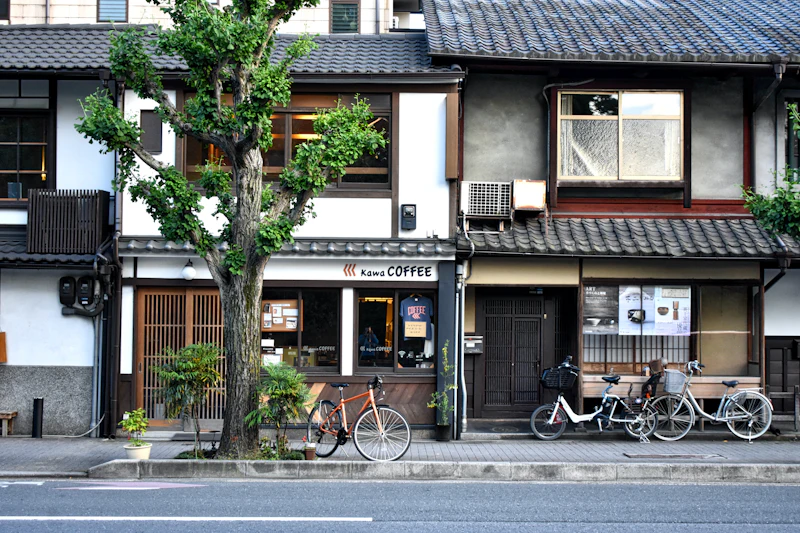
Classic examples include the French café, the British pub, the American diner. In Japan, the concept maps onto spaces that have existed for centuries — the neighborhood sento (public bath), the kissaten (old-style coffee shop), the temple garden — as well as modern equivalents like specialty coffee shops, hotel lounges, and coworking spaces.
Japan's version of the third place is shaped by a particular cultural sensibility: the concept of ibasho, a place where one belongs. This is not merely about convenience or comfort, but about a deeper sense of being accepted and at ease, without performance.
Why Tokyo Works for Third Places
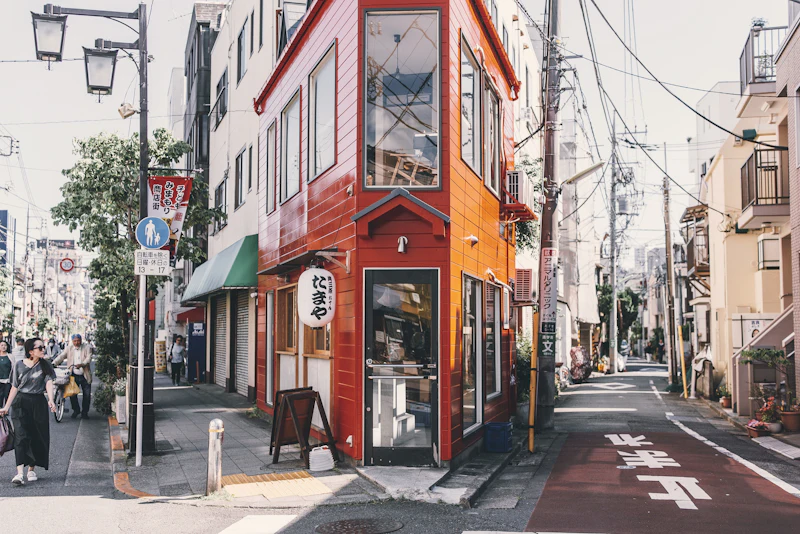
Tokyo might seem like an unlikely city for third places — it's vast, fast, and often overwhelming. But precisely because it is a city of 14 million people living at close quarters, Tokyo has developed an exceptional culture of quiet, private space within public environments.
Several factors work in the traveler's favor:
Density of options: Within a single neighborhood, you will find multiple cafés, hotel lounges, libraries, parks, and wellness spaces — each with its own character and mode of use.
Cultural norms around quiet: Japan's social code values restraint in public. This means that most third places in Tokyo are significantly quieter than their equivalents in European or American cities. A Tokyo café at noon may be more peaceful than a London café at 8 a.m.
Solo-use culture: Japan has a strong culture of solo activity — dining alone, traveling alone, visiting a café alone. This means that third places are designed and operated with the solo visitor in mind, not as an afterthought.
Quality of space design: Japanese spatial design attends to material, light, sound, and proportion in ways that directly affect the quality of the third place experience. The difference between a well-designed and a poorly-designed space is immediately felt.
Types of Third Places for Travelers
Specialty Coffee Shops
Tokyo's specialty coffee scene is among the best in the world. Beyond the technical quality of the coffee, the best shops offer spaces with careful attention to sound, seating, and lighting — conditions that support both solo and social use.
Areas to explore: Shimokitazawa, Kiyosumi-Shirakawa, Sendagaya, Daikanyama. Each neighborhood has developed a distinct café culture worth experiencing on its own terms.
What to look for: counter seating (solo-friendly), natural light, material quality (wood, stone, ceramic), the pace at which other customers move and speak.
See TPJ's certified cafés for evaluated options.
Hotel Lounges
Tokyo's major hotel districts — Ginza, Shinjuku West, Roppongi, Shibuya — contain hotel lobbies and lounges that are accessible to non-guests (for the cost of a drink or small meal). These spaces offer a reliable environment: consistent quiet, comfortable seating, and multilingual service.
The advantage for travelers: you already know the quality level before entering. The disadvantage: the experience can feel anonymous.
See TPJ's hotel lounge evaluations for spaces that transcend the generic.
Shrines and Temple Gardens
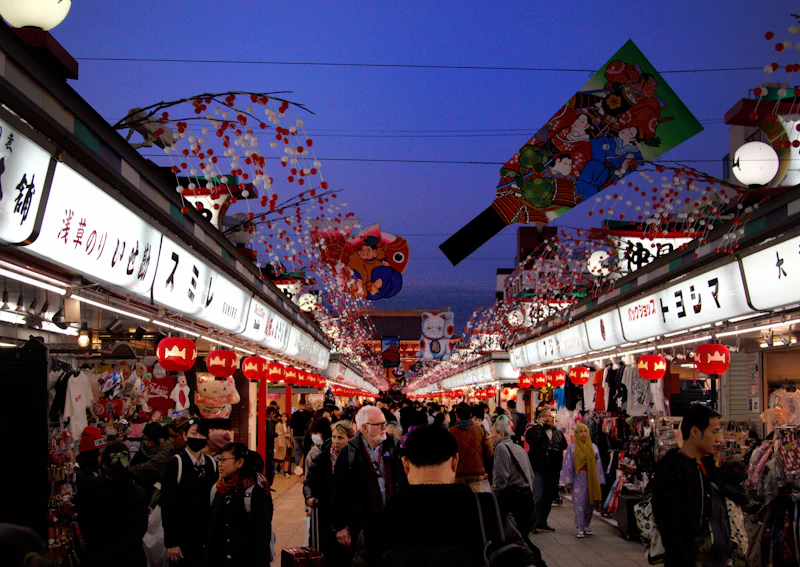
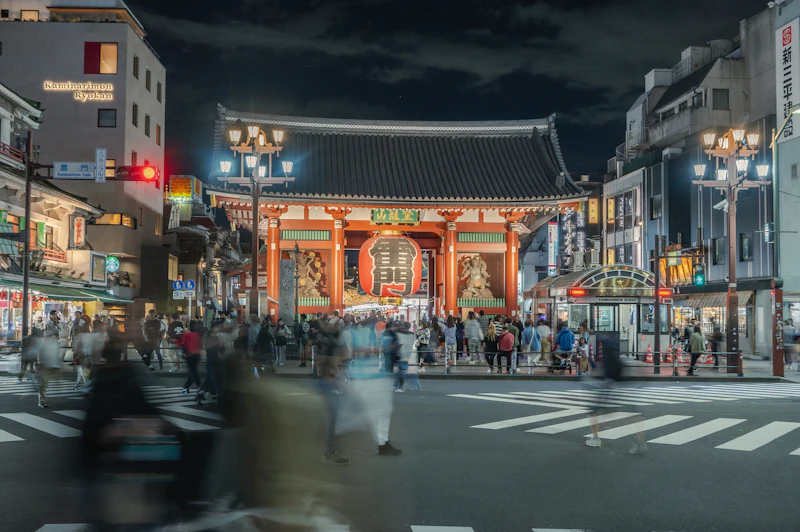
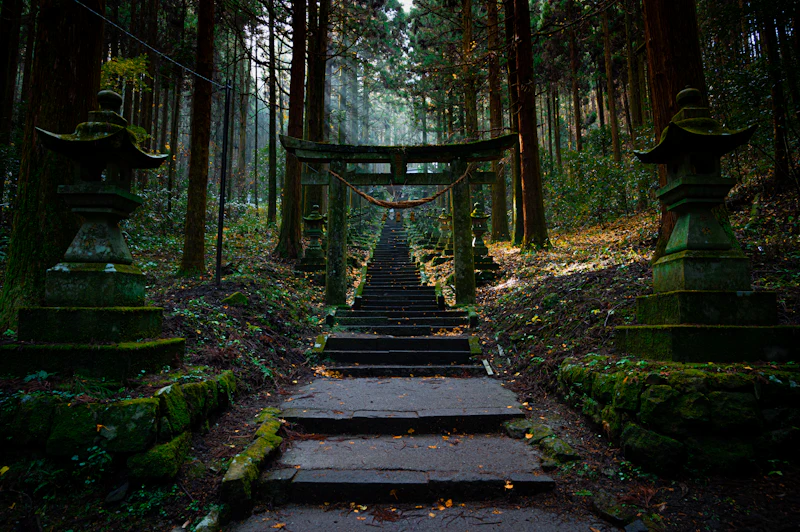
Meiji Jingu (Harajuku), Senso-ji (Asakusa), the gardens of Shinjuku Gyoen — these spaces function as third places in the fullest Oldenburg sense: free to enter, open to all, regularly visited by locals as well as tourists.
The specific quality they offer is silence within the city. For travelers overstimulated by urban density, these spaces provide a physiological reset that no café can match.
Coworking Spaces
For travelers who are also working, Tokyo's coworking sector is mature and well-distributed. Day passes are widely available, English support is increasingly common, and the quality of facilities (desk, power, Wi-Fi) is generally high.
See TPJ's coworking evaluations for spaces that meet third-place quality standards beyond mere functionality.
Onsen and Wellness
Tokyo's sento (public bathhouse) culture is undergoing a revival. Modern versions — combining traditional bathing with sauna, resting areas, and café services — are becoming some of the city's most valued third places for locals and travelers alike. The language barrier is manageable; the experience speaks for itself.
Practical Tips for Finding Your Third Place
Walk before you decide. Tokyo's best third places are not always the first ones you find. Spend time walking a neighborhood before choosing where to settle.
Arrive off-peak. Weekday mid-morning (10–noon) is the quietest time in most Tokyo third places. Weekend afternoons can be crowded in popular neighborhoods.
Pay attention to the other customers. A space where people are working, reading, or sitting quietly without checking their phones is a reliable indicator of third-place quality.
Use cash. Many smaller cafés and traditional spaces still prefer cash (yen). Having coins and small bills saves friction at the point of entry.
Respect the quiet. In Japan's better third places, the default is quiet. Phone calls and loud conversation are generally frowned upon. The culture that creates the quiet you enjoy depends on you maintaining it.
FAQ
Q. Do I need to speak Japanese to use Tokyo's third places?
No. Most specialty coffee shops and hotel lounges have English menus or visual menus. Shrines and gardens require no Japanese at all. The physical experience of a third place — sitting, drinking, observing — crosses language barriers naturally.
Q. What is the average cost of using a Tokyo third place?
A coffee in a specialty café runs ¥600–1,000. Hotel lounge drinks start around ¥1,500. Shrines and public gardens are free or ¥500. Coworking day passes range from ¥1,500–3,000. The quality of experience is rarely correlated with price at the higher end.
Q. What is Third Place Japan's certification, and how can I use it?
Third Place Japan evaluates spaces across seven axes — comfort, silence, specialness, story, revisit value, record experience, and inbound accessibility. Certified venues have met a documented quality standard. See the TPJ certified venue list for options across Tokyo neighborhoods.
Q. What are the best neighborhoods for third places in Tokyo?
For cafés: Shimokitazawa, Kiyosumi-Shirakawa, Sendagaya, Daikanyama. For hotel lounges: Ginza, Shinjuku West, Roppongi. For shrines and nature: Harajuku (Meiji Jingu), Shinjuku (Shinjuku Gyoen), Asakusa (Senso-ji). For coworking: Shibuya, Shinjuku, Omotesando. Each neighborhood has a distinct character — choose based on the pace and mood you are looking for.